ByJohn A
Emergency Water Extraction in Centennial, CO: What Every Property Owner Should Do Within the First 24 Hours
Whenever water unexpectedly enters your house or business premises, the first thing that crosses your mind is how to prevent the damage before it escalates. An emergency may occur due to floods, burst pipes, or heavy rain, and every minute matters. This is where emergency water extraction comes in. The first 24 hours are critical in preventing long-term structural and property damage. Wait a few hours, and you will have a situation that is out of control, with mold, damaged flooring, and weakened foundations. Therefore, it is important to know the procedures and know how to react to any situation as a property owner in Centennial, CO.
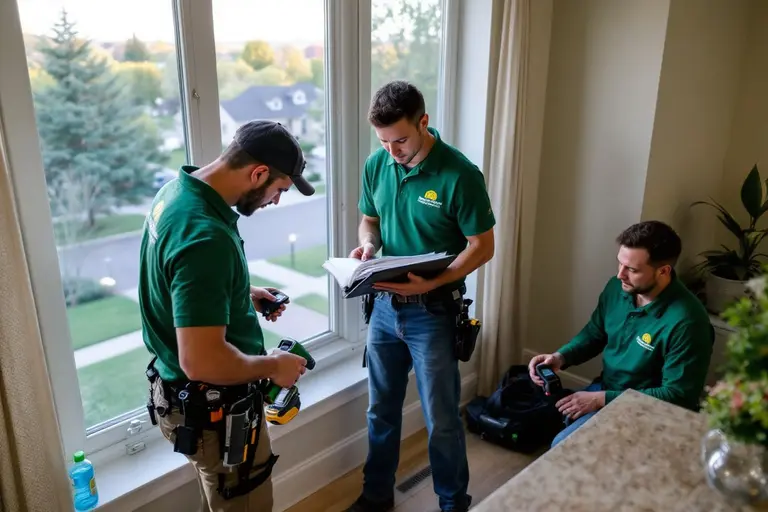
In the case of water emergencies, calling Restoration Logistics Centennial services will save your property and your wallet. These workers are trained to manage the mess effectively. They carry special equipment, drill holes to drain water without causing secondary damage, and start the drying process. It is not only about eliminating water, but also avoiding additional damage to your walls, floors, and personal property. Unless it is done correctly, water may creep into crevices, forming an ideal habitat for mold and bacteria.
Act Quickly to Minimize Damage
The initial 24 hours following a water incident are crucial. Start by determining the origin of the water. If it is a plumbing problem, you can turn off the main valve to avoid additional flooding of the space. In the case of storm or floodwater, your priority should be safety. Do not walk in water that could have electrical hazards. After making the area safe, you can begin to remove furniture and other valuables to avoid staining or warping. Even minor measures such as picking up carpets, opening cabinets, and relocating electronics can minimize long-term damage.
See also: How Can Cerebral Palsy Affect Everyday Life and Independence?
Understanding Moisture Levels
In many cases, professional water extraction teams use tools such as moisture meters and infrared cameras to examine the presence of moisture behind the walls or under the floors. These tools help detect areas that seem dry yet contain water. For example, wooden subfloors might appear okay but be slowly taking in water, leading to swelling and rotting over time. It is also important to monitor the hygroscopic characteristics of building materials because certain materials such as drywall may absorb moisture quickly, exacerbating the damage when not treated.
Quick Water Removal Methods
Extraction involves more than just mopping up standing water. Professionals use industrial-grade pumps and vacuums to extract water quickly. They can also use air movers and dehumidifiers to hasten the drying process. These devices minimize the drying time and eliminate secondary issues such as mold growth. Trying to extract it yourself without the right equipment can only remove the surface water but leave behind moisture that will still damage your property. It is more efficient and quicker to use the correct techniques at the beginning.
Drying and Dehumidification
After the water has been removed, the next step is to control the humidity. High-capacity dehumidifiers and fans are used to ensure the property is evenly dried. It’s important to understand the science behind dehumidification. For example, relative humidity should be controlled to avoid condensation that may be deposited on walls and ceilings, causing structural degradation. Professional teams understand where to install these devices to cover the whole area effectively. Knowing about psychometrics, the science of air and moisture interaction, they can decide on the best drying methods, minimizing the risk and safely recovering the environment.
Preventing Mold Growth
Unless moisture is managed, mold starts to develop in 24-48 hours. That is why it is necessary to act quickly with emergency water extraction. Washing and disinfecting surfaces as soon as water is removed helps to avoid the establishment of bacteria and molds. Objects such as carpets, padding, and upholstered furniture might require special care or replacement. Even a small amount of moisture should not be ignored, as it may cause a significantly bigger issue in the future, not only to your property but also to the health of any person living or working in the area.
Recording Damage to Insurance
The other significant action during the initial 24 hours is recording the damage. Record pictures and videos of damaged areas, personal items, and structural damage. This will assist insurance companies in settling claims more quickly and make sure that you receive adequate compensation. Detailed records also help the restoration professionals to develop an accurate recovery plan that suits your property.
Continued Monitoring and Repair
After initial extraction and drying, continuous monitoring is important. Professionals can revisit to check the moisture levels and make sure that there are no hidden spots that are still wet. When the property is dry, it is safe to start repair and restoration work. Flooring, drywall, and paint can be replaced or repaired without worrying about recurring water issues. This is the last step that ensures your property is completely recovered and is safe to occupy.
Conclusion
A water emergency in Centennial, CO may be daunting, but it is possible to avoid irreparable harm by understanding what to do. Immediate emergency water extraction, contacting reliable specialists, checking humidity levels, and avoiding mold growth are all necessary steps during the first 24 hours. These measures will not only protect your property but also safeguard the health and safety of everyone in your property. Keep in mind that the faster you react, the less harm you will have to deal with, and recovery will be easier and quicker.