ByJohn A
Understanding Dust Proof Chamber Ratings and What They Mean
Product datasheets often reference dust proof ratings without much explanation of what those numbers actually represent. This guide breaks down what dust proof chamber testing measures and how to interpret the resulting ratings.
The Basics of IP Rating Structure
Dust and water ingress protection is typically expressed through an IP, or Ingress Protection, rating consisting of two digits. The first digit specifically addresses solid particle ingress, including dust, while the second addresses water ingress.
What the First Digit Represents
Ratings range from 0, indicating no protection, up to 6, indicating complete protection against dust ingress, commonly referred to as dust-tight. Most consumer and industrial electronics targeting outdoor or harsh environment use aim for a rating of 5 or 6.
How Dust Proof Testing Actually Works
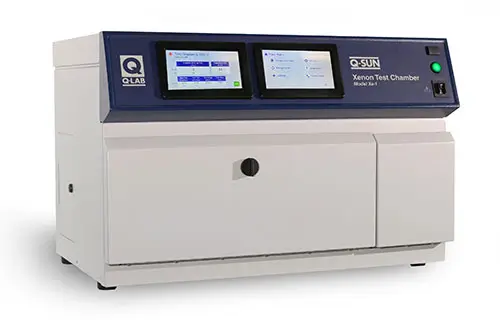
Testing typically involves placing the product inside a dust proof chamber where fine talcum powder or a similar standardized dust is circulated under controlled conditions, often combined with negative internal pressure, for a specified duration.
Interpreting Test Results
After the test cycle, technicians inspect the product’s interior for any dust ingress. Depending on the target rating, either zero ingress or a limited amount of ingress that doesn’t affect product function is required to achieve a passing result.
Why Rating Level Matters for Product Design
Choosing the appropriate target dust rating early in product development, rather than testing as an afterthought, allows engineering teams to address sealing and enclosure design proactively rather than reactively.
For a deeper look at testing equipment used to determine these ratings, LIB Industry dust proof chamber offers additional context on the testing process.
See also: How a Franchise Dispute Attorney Can Protect Your Business Investment
Common Misconceptions About Dust Ratings
A dust-tight rating doesn’t necessarily mean a product is also waterproof; the two aspects of ingress protection are evaluated and rated separately, and both digits need to be considered together for a full picture of protection.
Industry Applications Requiring Dust Testing
Outdoor electronics, automotive components, industrial equipment, and consumer devices marketed for rugged use all commonly require dust proof testing and rating as part of product validation before market release.
Frequently Asked Questions
What does a dust rating of 6 actually guarantee? It indicates the product is considered dust-tight, meaning no dust ingress was detected during standardized testing under specified conditions.
Is a higher dust rating always necessary for consumer products? Not always; the appropriate rating depends on the product’s intended use environment, and unnecessarily high ratings can add cost without meaningful benefit for indoor-only products.
Does dust rating testing also confirm water resistance? No, water resistance is evaluated and rated separately under the second digit of the IP rating system, requiring distinct testing methods.
Final Thoughts
Understanding dust proof chamber ratings helps both engineers and buyers make informed decisions about product durability claims. Knowing what the numbers actually represent turns a datasheet specification into meaningful, actionable information.