ByJohn A
Live casino isn’t “just another game mode”
Open a live roulette table and you can feel it immediately: it’s closer to a broadcast than a videogame. The dealer looks up, the wheel spins, the chat pops off, and suddenly you’re not tapping buttons in silence. You’re in the room, in a way.
If you want a clean example of how operators package that experience, look at tamasha casino live online. It’s basically the “front row seat” model, where the tech stays out of the way and the action lands on your screen with minimal fuss.
So how do live casino games actually bring real-time play to your phone or laptop without turning into buffering chaos? Let’s break it down like a human would, from the player side and the behind-the-scenes side.
It’s a studio, not a slot machine
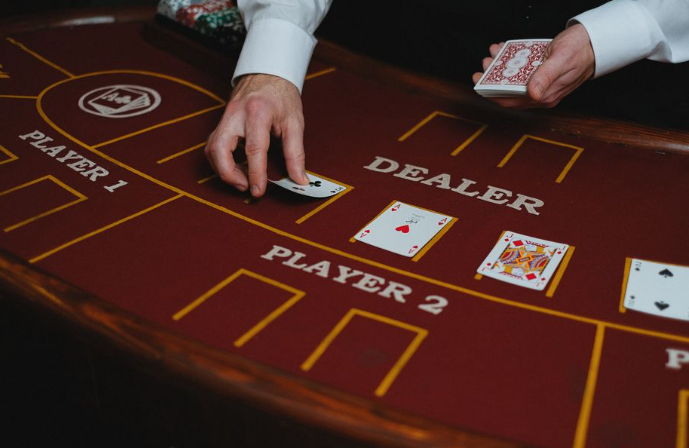
A proper live casino game starts in a studio (sometimes in an actual casino, but studios are more common). Think bright lighting, multiple cameras, a table with branding, and a dealer trained to keep the pace moving even when the chat is asking the same question for the tenth time.
What you see on screen is usually a multi-camera feed. One angle for the dealer, one for the wheel or cards, sometimes a close-up cam for results. The slicker providers switch angles at the right moments so your brain stops questioning what’s real and just follows the game.
And yes, it’s still gambling, not Netflix. The difference is that the “content” is happening right now.
The secret sauce: game control + result recognition
Here’s the part most players never think about. A live game needs a way to translate real-world results into digital outcomes instantly. That’s handled by a game control unit, plus recognition tech.
Depending on the game:
- Roulette uses sensors in the wheel and/or visual recognition to confirm the winning number.
- Baccarat and blackjack often use optical character recognition, basically cameras reading card values as the dealer draws them.
- Some tables use RFID-embedded cards for extra accuracy.
Once the result is confirmed, the platform settles bets. That’s why you can have thousands of people watching the same wheel, placing bets, and getting paid out within seconds. It feels casual, but the pipeline is tight.
This is also where trust lives. When recognition is solid, disputes basically vanish. When it’s shaky, players notice fast.
Real-time… with a tiny delay
“Live” doesn’t mean zero delay. There’s always latency, usually a few seconds, depending on your connection and the provider’s streaming setup. The smart platforms design around it.
That’s why you’ll see:
- Betting windows with clear countdown timers
- “Bets closed” moments before the spin or deal is shown as final
- Result confirmations that appear on your interface even if your stream is half a beat behind
Is it annoying? Sometimes. Is it necessary? Absolutely. Without that buffer, the system becomes exploitable and messy. Live casino is one of those rare places where a small delay is actually part of fairness.
Why it feels more intense than RNG games
RNG games (regular online blackjack, digital roulette, slots) are pure code. Outcomes happen instantly. Live casino adds friction in a good way. You wait for the shuffle. You watch the wheel slow down. You see a dealer’s hands, the physical cards, the little human pauses that make the result feel earned or painful.
That real-world pacing does a few things:
- It builds anticipation. Not always comfortable, but it’s real.
- It reduces the “machine-gun betting” vibe that some RNG games encourage.
- It adds social pressure, even if you never type in chat.
And yes, you can still lose quickly. The difference is psychological. Live games feel like events, not clicks.
The dealer is part host, part traffic controller
Dealers in live casino do more than deal. They keep rhythm, call bets, manage table etiquette, and sometimes act as mini hosts. The best ones know how to talk without slowing the game down, which is harder than it looks.
Chat is another layer. It can be fun, it can be chaotic, and it can be a distraction if you’re trying to play tight. Most platforms moderate it and filter obvious nonsense, but live chat still has that “crowd energy” effect.
If you’ve only ever played silent digital tables, this can be the moment where live casino either clicks for you or you bounce off it.
What your device is actually doing while you play
On your side, a live casino session is basically:
- Streaming video (adaptive bitrate, so it changes quality depending on your connection)
- Running an interactive betting interface over the stream
- Syncing timers and game states with the server
- Handling payments and balance updates securely
This is why live casino can feel smooth even on a mid-range phone, but it can also chew through data if you’re not careful. Video is the cost of admission.
Quick reality check: if you’re on mobile data, a long live session can eat gigabytes. Not “maybe”. It will.
Tips to make live casino actually enjoyable
A few practical things that sound boring, but save headaches:
Choose the right table speed
Some tables are rapid-fire, others are more relaxed. If you’re new, pick slower. You’ll make fewer sloppy bets.
Watch one full round before betting
It’s the easiest way to sync with the pace, the UI, and the countdown timers. Jumping in instantly is how people misclick.
Use Wi-Fi if you can
Not just for data. Stability matters. A brief connection dip at the wrong moment can make you feel like the platform “ate” your bet, even when it didn’t.
Keep chat in perspective
If it tilts you, mute it. You’re not required to vibe with strangers while playing blackjack.
Where live casino is heading next
Live casino keeps getting closer to “being there.” More camera angles, higher resolution, localized dealers, game-show style formats, and side bets that make each round feel less predictable (in a gameplay sense, not in a fairness sense).
The big push now is immersion without clutter. Players want the atmosphere, but they also want clean interfaces, fast loading, and zero confusion about what’s happening.
That’s the whole promise of live casino when it’s done right: real-time action, real humans, real outcomes, delivered to your screen without making you think about the machinery underneath. You just watch, you decide, you bet. And the wheel keeps spinning.