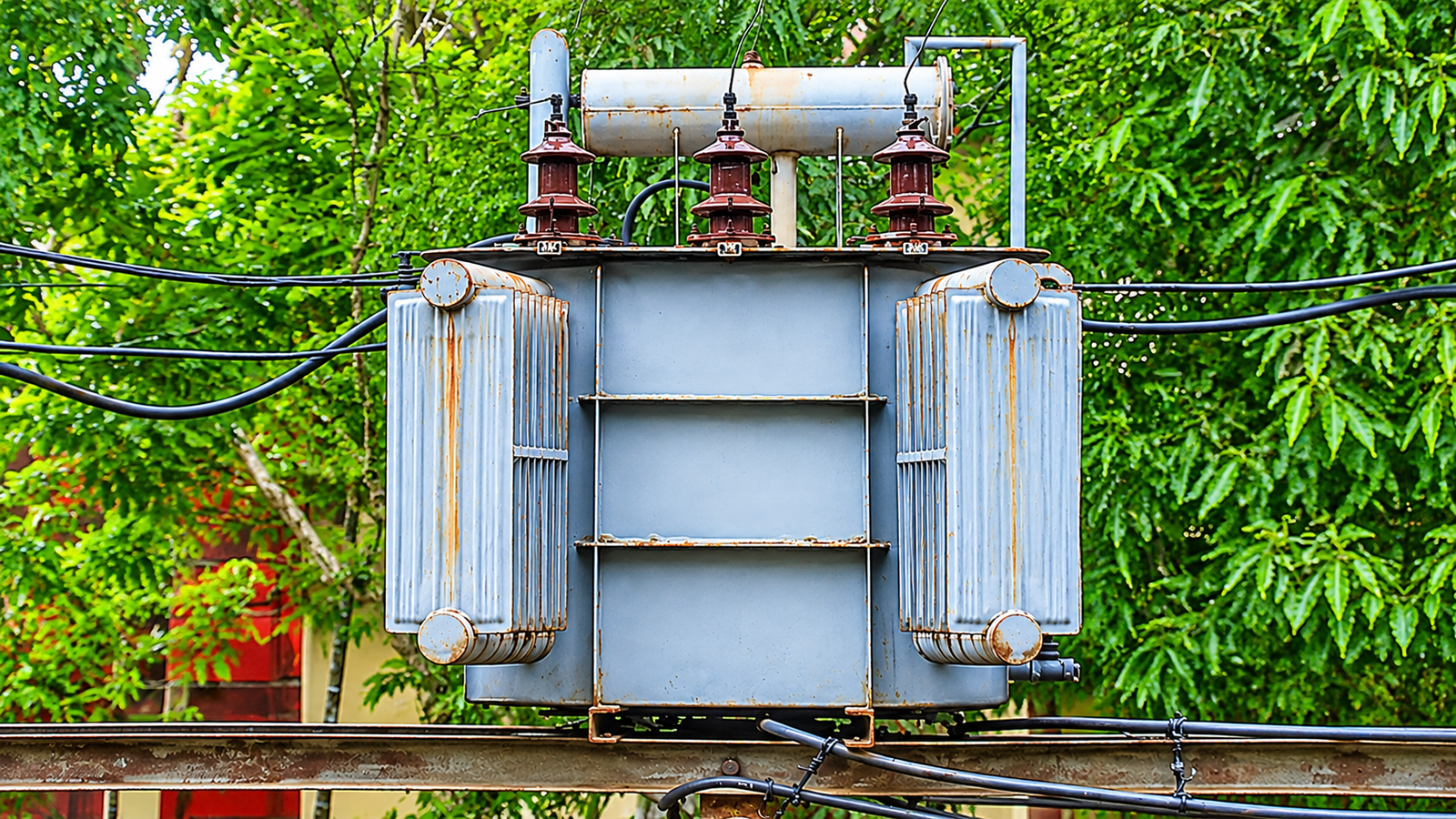

Reliable electricity distribution is essential for homes, small commercial properties, and facilities that operate equipment requiring a consistent power supply. Underground electrical distribution systems offer a practical way to deliver power while keeping overhead cables and associated infrastructure out of sight. A single phase underground transformer supports this arrangement by converting incoming electrical voltage into a level suitable for local consumption. Understanding its design, installation requirements, maintenance needs, and operating costs helps property owners, contractors, and electrical engineers make informed decisions.
How a Single-Phase Underground Transformer Works
A transformer changes electrical voltage through electromagnetic induction. It contains primary and secondary windings placed around a magnetic core. The primary winding receives electricity at a particular voltage, while the secondary winding supplies electricity at a different voltage according to the transformer’s design.
In an underground distribution network, the transformer works with buried cables to deliver electricity to nearby buildings or facilities. Its enclosure protects internal electrical components from environmental exposure, unauthorised access, and other external risks.
Single-phase units are commonly used where electricity demand does not justify a three-phase supply. Residential developments, individual buildings, small businesses, and certain agricultural properties may benefit from this arrangement.
The transformer’s capacity must match the expected electrical load. Engineers consider connected equipment, peak demand, voltage requirements, and possible future expansion before selecting a suitable unit.
Common Applications in Electrical Distribution
Single-phase underground transformers serve several types of properties and distribution networks.
Residential developments: Housing communities may use these transformers to supply electricity to individual homes or groups of properties. Underground distribution also reduces the number of overhead cables, helping maintain an uncluttered streetscape.
Small commercial buildings: Shops, offices, and other small commercial facilities can use single-phase supplies when their electrical equipment operates within the available capacity.
Agricultural properties: Farms and rural buildings may require dependable electricity for lighting, water pumps, security equipment, and other single-phase applications.
Remote installations: Some locations benefit from underground electrical infrastructure because it reduces exposure to overhead lines and certain weather-related hazards.
The suitability of a transformer depends on local electricity demand, utility requirements, installation conditions, and the available distribution network.
Design Features and Equipment Requirements
Underground distribution equipment must withstand conditions that differ from those encountered by conventional indoor transformers. Moisture, soil conditions, temperature variations, and restricted access can affect equipment performance.
Several design features deserve attention:
- Protective enclosure: The enclosure should provide suitable protection against water, dust, corrosion, and physical damage.
- Insulation system: High-quality insulation helps maintain electrical separation between internal components and supports safe operation.
- Cooling arrangements: Transformers generate heat during operation. Their cooling systems must keep operating temperatures within specified limits.
- Electrical connections: Cable terminations and connectors should be compatible with the distribution system and rated for the expected electrical conditions.
- Safety provisions: Grounding, protective devices, and suitable access arrangements help reduce electrical hazards during operation and maintenance.
Equipment selection should follow applicable electrical standards and the requirements of the local utility provider.
Choosing a Single Phase Pad Mounted Transformer
A single phase pad mounted transformer is commonly installed at ground level on a concrete foundation or mounting pad. Its compact enclosure allows electrical distribution equipment to remain accessible to authorised personnel without requiring an above-ground pole installation.
These units are frequently used in residential neighbourhoods, commercial properties, and underground distribution networks. Their placement can simplify connections to buried primary and secondary cables.
Several factors influence the selection process. Voltage ratings must match the utility supply and the required output. Capacity should accommodate the property’s maximum expected demand, while impedance and protection characteristics must suit the wider electrical network.
Environmental conditions also matter. Installations in areas exposed to heavy rainfall, flooding, corrosive soil, or high ambient temperatures may require additional protective measures or specific equipment configurations.
Before purchasing, contractors should confirm the unit’s technical specifications, enclosure rating, applicable certifications, and compatibility with existing cables and switchgear.
Understanding Single Phase Pad Mounted Transformer Cost
The single phase pad mounted transformer cost depends on several technical and installation-related factors. The purchase price is only one part of the total project expenditure.
Transformer capacity is a major consideration. Units with higher kVA ratings generally require more materials and larger internal components, which can increase their purchase price.
Other cost factors include:
- Voltage specifications: Different primary and secondary voltage requirements can affect the equipment configuration.
- Construction materials: Core materials, winding conductors, insulation, and enclosure quality influence manufacturing expenses.
- Protection features: Additional safety equipment and specialised accessories may increase the overall price.
- Transportation: Transformer weight, dimensions, and delivery distance affect shipping and handling costs.
- Site preparation: Excavation, concrete foundations, drainage, and cable trenching contribute to installation expenses.
- Testing and commissioning: Electrical testing, inspections, and utility approval may add to the project budget.
Buyers should request quotations that clearly separate equipment costs from installation, testing, transportation, and other associated charges. Comparing technical specifications alongside prices provides a more reliable basis for evaluating suppliers.
Why the Transformer Pad Matters
A single phase transformer pad provides a stable foundation for ground-mounted distribution equipment. Its construction and positioning affect equipment stability, accessibility, and long-term reliability.
Concrete pads are commonly used because they can support the transformer’s weight and provide a durable mounting surface. Their dimensions and structural strength must correspond to the manufacturer’s installation requirements.
The pad should be positioned at an appropriate elevation to reduce the risk of water entering the enclosure. Drainage arrangements are particularly important in locations that experience heavy rainfall or occasional flooding.
Installers must also maintain the required working clearances around the equipment. These spaces allow authorised technicians to inspect connections, operate components, and carry out maintenance safely.
Poor foundation preparation can contribute to equipment movement, water accumulation, and difficulties during servicing. Proper planning before installation helps prevent these problems.
Installation Requirements and Safety Measures
Installing underground electrical equipment requires qualified professionals and coordination with the relevant electricity utility. The process usually begins with a site assessment covering soil conditions, cable routes, accessibility, drainage, and expected electrical demand.
The installation team prepares the foundation, installs suitable conduits and cables, positions the transformer, and completes the electrical connections according to approved drawings and specifications.
Grounding and bonding arrangements must meet applicable electrical regulations. Cable insulation, termination quality, protective devices, and enclosure integrity should be checked before energisation.
Safety procedures are essential throughout the project. Workers must follow approved isolation procedures, use appropriate protective equipment, and verify that the installation meets inspection requirements.
Only authorised personnel should access internal transformer compartments or perform electrical maintenance.
Maintenance Practices That Support Reliable Operation
Although underground transformers are designed for long-term service, periodic inspections remain necessary. Maintenance requirements depend on equipment design, operating conditions, manufacturer recommendations, and utility policies.
Routine checks may include:
- Inspecting the enclosure for corrosion, cracks, or physical damage.
- Checking for signs of water intrusion or excessive moisture.
- Examining cable connections and terminations for deterioration.
- Reviewing operating temperatures and load conditions.
- Testing protective equipment according to approved maintenance schedules.
- Keeping the surrounding area clear to maintain safe access.
Unusual noise, overheating, damaged connections, or repeated protective-device operation should receive prompt attention from qualified electrical personnel.
Selecting Equipment for Long-Term Performance
Choosing the right transformer requires more than comparing initial purchase prices. Buyers should assess electrical capacity, operating environment, manufacturing quality, safety certifications, warranty coverage, and technical support.
A dependable supplier should provide detailed product specifications, installation guidance, testing documentation, and information about replacement parts. Access to qualified technical assistance can also simplify future inspections and repairs.
Accurate load calculations and proper site preparation help prevent avoidable installation problems. By evaluating the complete distribution requirements before purchasing equipment, property developers and electrical contractors can select a transformer that meets present demand while allowing for practical future needs.