ByJohn A
Managing Energy Costs in Energy Intensive Businesses
Some businesses use energy on a scale that most never approach. Manufacturers, food producers, engineering firms, and other operations that run machinery, heating, cooling, and processing equipment can see energy become one of their single largest costs. For these energy intensive businesses, managing energy well is not a minor housekeeping task, it is a core part of staying competitive. This guide looks at how high usage businesses can bring their energy costs under control.
Why Energy Intensive Businesses Face a Different Challenge
For a small office, energy is a modest overhead. For an energy intensive business, it can rival or exceed other major costs. Machinery running for long hours, industrial heating and cooling, refrigeration at scale, and continuous processing all consume large volumes of energy. This scale changes the stakes entirely. A small percentage saving on a large energy bill translates into a substantial sum, far more than the same percentage would mean for a low usage business.
This is why energy deserves dedicated attention in these businesses. The size of the bill means that even modest improvements, in either how much energy is used or the rate paid for it, have an outsized effect on the bottom line and on competitiveness against rivals.
The Two Sides of an Energy Bill
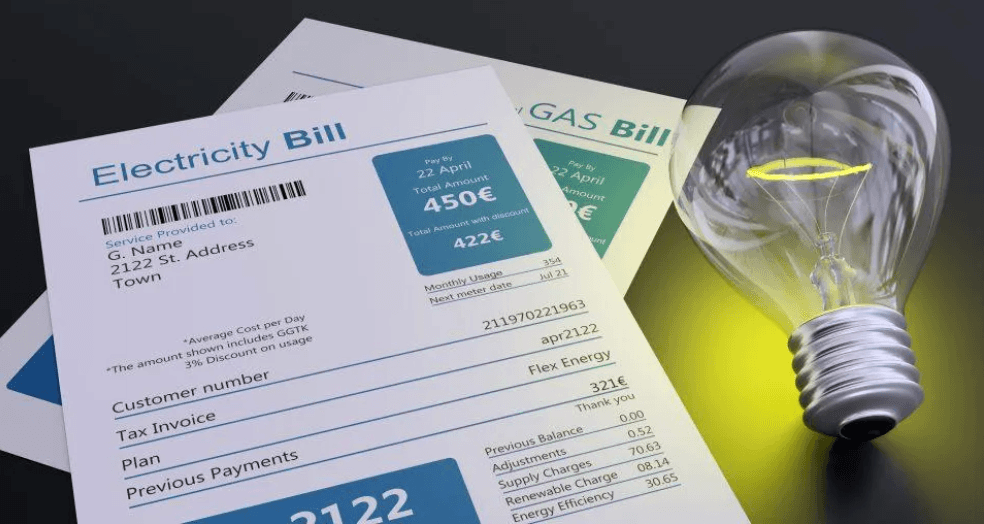
Every energy cost has two components a business can influence: how much energy it uses, and the rate it pays per unit. Energy intensive businesses benefit from working both, because the scale of their consumption amplifies the impact of each.
On the usage side, efficiency measures matter more than ever. Well maintained equipment, efficient processes, good insulation, sensible scheduling of high draw machinery, and modern, less power hungry equipment all reduce consumption. For a high usage business, an efficiency programme can pay for itself quickly given the volumes involved.
On the rate side, the price paid per unit is set by the energy contract, and that contract reflects the market when it was signed. Because energy intensive businesses buy so much, being on an uncompetitive rate is especially costly. Taking time to compare business energy tariffs across suppliers, and switching to a better deal, reduces the cost of every unit, which for a high volume user is a significant saving.
Why the Rate Matters So Much at Scale
It is worth dwelling on the rate, because energy intensive businesses sometimes focus entirely on efficiency while overlooking the price they pay. A business can invest heavily in reducing consumption yet still overpay if its unit rate has drifted above the market. Given the volumes involved, even a small difference in the unit rate multiplies into a large annual figure.
This is where a broker can be particularly valuable for a high usage business. Comparing across suppliers and contract types, and matching a deal to a large and specific usage profile, is more complex at scale, and a broker that specialises in business energy can present competitive options tailored to that profile. The goal is to ensure the rate is as competitive as the operation is efficient.
Managing Price Risk
Energy intensive businesses are also more exposed to energy price volatility, simply because energy is such a large part of their costs. A sharp rise in the market hits them harder than a low usage business. Managing this risk is part of managing energy well.
A fixed rate contract locks the unit price for the term, protecting the business from market rises and making budgeting predictable, which is valuable when energy is a major cost. Larger users sometimes use more flexible arrangements to manage their exposure actively over time. The right approach depends on the business, but the principle is the same: decide how to handle price risk deliberately rather than leaving it to chance.
Building Energy Into Operations
For an energy intensive business, energy management should be an ongoing function, not an occasional task. That means monitoring consumption, maintaining equipment for efficiency, reviewing contracts ahead of renewal, and assigning clear responsibility so energy is actively managed. Treated this way, energy becomes a controlled and optimised cost rather than an unpredictable one, supporting both profitability and competitiveness.
See also: How Cryptocurrency Is Creating New Business Opportunities
Frequently Asked Questions
Which businesses are considered energy intensive?
Manufacturers, food producers, engineering firms, and other operations running machinery, industrial heating and cooling, refrigeration, or processing equipment tend to use energy at a scale that makes it one of their largest costs.
Why does the energy rate matter more for high usage businesses?
Because they buy so much energy, even a small difference in the unit rate multiplies into a large annual figure. An uncompetitive rate is far more costly at scale than for a low usage business.
Should energy intensive businesses focus on efficiency or the rate?
Both. Efficiency reduces how much energy is used, and a competitive rate reduces what is paid per unit. Given the volumes involved, working both delivers the greatest saving.
How can high usage businesses manage energy price volatility?
A fixed rate contract locks the unit price and protects against market rises, while larger users may use flexible arrangements to manage exposure actively. The key is to handle price risk deliberately.
Is a broker useful for energy intensive businesses?
Often, because comparing across suppliers and contract types for a large, specific usage profile is complex. A specialist broker can present competitive options tailored to that profile.
Final Thought
For energy intensive businesses, energy is not a background cost but a central one that shapes competitiveness. Managing it well means working both sides of the bill, reducing consumption through efficiency and securing a competitive rate by comparing the market, while handling price risk deliberately. Given the scale of the consumption, the rewards for doing this well are substantial, which is why energy management belongs at the heart of how these businesses operate.