ByJohn A
PRP in London: What Happens to Your Blood and Who Should Be Handling It
The nickname has done the treatment no favors. Call something a vampire facial and people file it next to jade rollers and LED masks. General category: things you try because a celebrity mentioned it. The reality is duller and more serious. A needle goes into your arm, blood comes out, a machine spins it, and part of it goes back into your face.
That sequence puts this in a different bracket from most aesthetic treatments. Nothing arrives in a sealed pharmaceutical vial. Whatever gets injected was produced in the room, from you, minutes earlier. Anyone searching for PRP is choosing a blood-handling procedure, whether the marketing frames it that way or not. The equipment, the room and the record-keeping matter as much as the injector’s technique.
Clinics across London offer it under several names. Vampire facial, platelet-rich plasma therapy, PRP with microneedling. Nakedhealth is one of the West Wimbledon clinics providing PRP for the face alongside other medical aesthetic services. Nothing here recommends any specific provider. What follows is what the procedure involves and what separates a clinical setting from one that only looks like one.
The process is short, and the steps are simple.
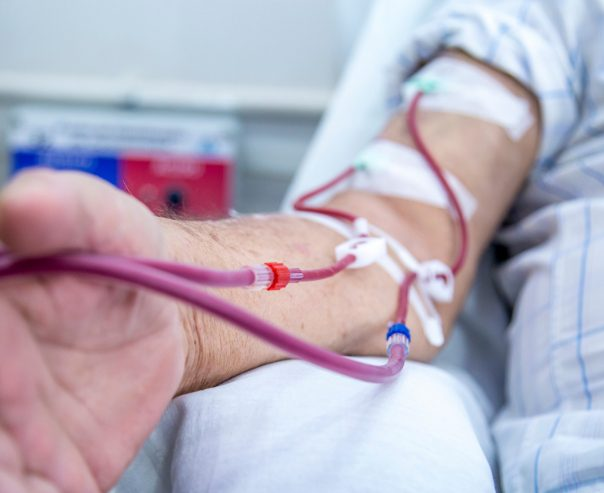
Blood comes out of your arm first, usually a small volume, into a standard tube. That tube goes into a centrifuge, spun fast enough to separate the sample by density. Red cells settle. Platelet-rich plasma sits in the layer above them.
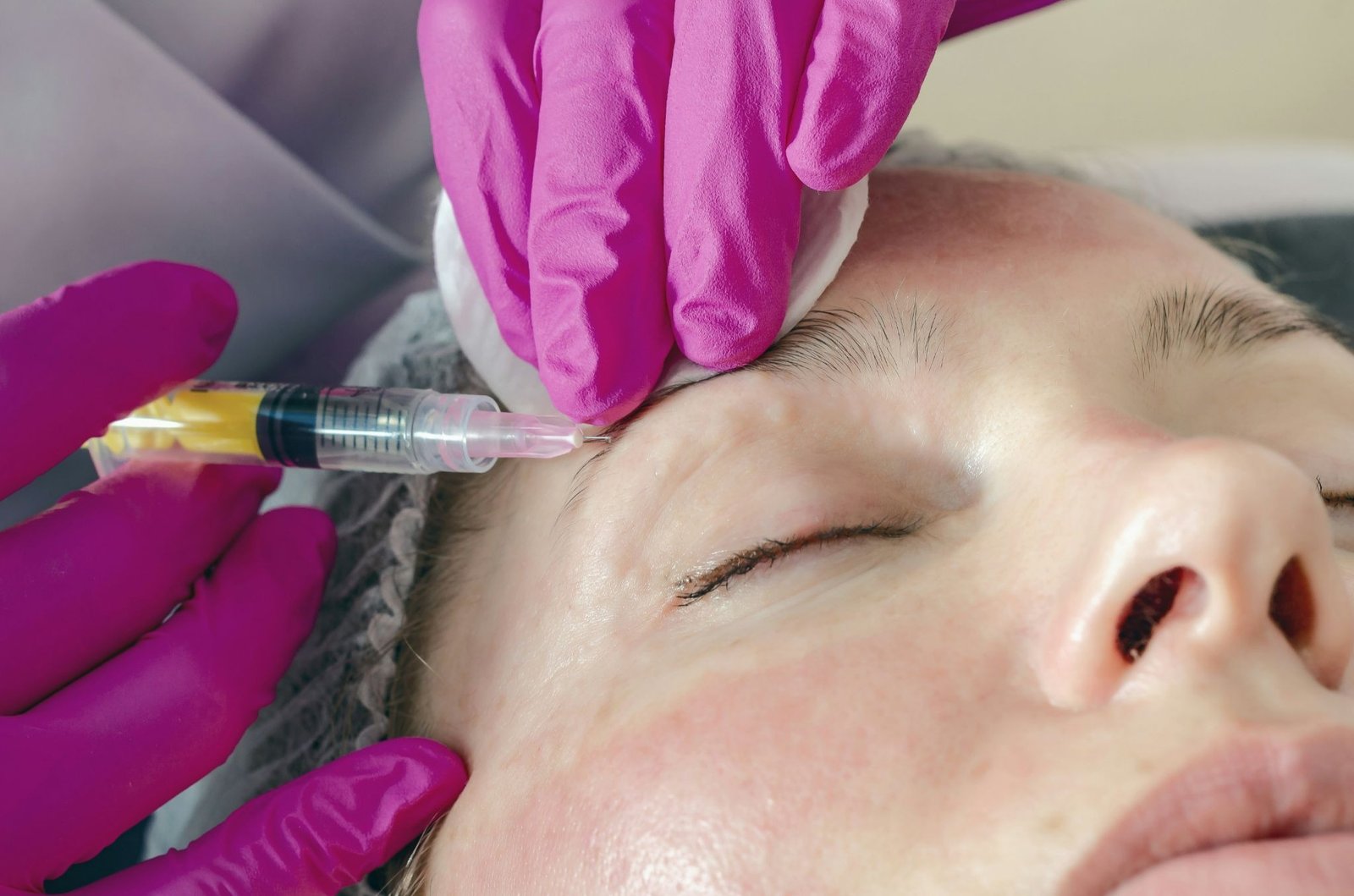
That plasma fraction is then delivered back into the skin, either by injection or by microneedling the surface and applying it. Most clinics run the whole appointment inside an hour. Because the material comes from your own body, the risk of reacting to the plasma itself is low. Every other risk that comes with putting needles into skin still applies. Bruising and swelling are common enough. Infection becomes possible when the technique or the equipment falls short.
Handling blood raises the bar for the room.
This is where the treatment separates from everything else on a clinic menu. A CDC investigation published in 2024 documented an HIV cluster linked to PRP microneedling facials at an unlicensed spa in New Mexico. Four clients and one sexual partner received HIV diagnoses over five years. Genetic sequencing showed the strains were closely related.
It was the first investigation to connect HIV transmission to cosmetic injection services. The source of contamination was never pinned down, but the inspection findings explain how it became possible.
What the inspection found
Worth reading slowly, because it reframes what a clinic visit should look like. Inspectors found a centrifuge and a rack of unlabeled tubes of blood sitting on a kitchen counter. More unlabeled blood was in the kitchen refrigerator, stored alongside food. Unwrapped syringes were found in drawers and ordinary trash cans. The premises had no autoclave. Staff wiped equipment down with disinfectant spray between clients rather than sterilizing it.
The operator also kept no proper client records, which meant investigators had to trace people through handwritten appointment books and consent forms. That failure delayed everything. Two of the five people diagnosed had already had a positive screening result years earlier without being told.
Records are a safety feature, not admin.
Most people never think to ask about note-keeping. It sits behind the scenes and feels like paperwork. In blood handling, it is part of the safety system.
A clinic that logs which kit was used, which batch, who performed the draw, and when can trace backward if a problem surfaces later. One that can has no way to tell you whether you were affected by something. So ask whether your treatment gets written into a medical record, and ask who holds it. Their answer tells you what kind of operation you have walked into.
Checking the clinic in England takes minutes.
Clinics carrying out regulated activities in England have to register with the Care Quality Commission, and the CQC publishes what it finds. Its directory of registered healthcare clinics carries the latest inspection report and older ones alongside it. You also get contact details and the name of whoever is responsible for running the service.
Search the clinic before you pay a deposit, not after. It takes about as long as reading a menu. A provider that does not appear there is operating outside that framework. That alone does not make it unsafe. It does mean nobody independent has looked at how the place runs.
Ask what evidence supports your concern.
PRP gets promoted for a wide spread of skin concerns, and the research behind those uses is uneven. Combining PRP with microneedling for acne scarring sits on firmer ground than some of the pigmentation and redness claims that show up in marketing copy.
So ask the specific question rather than the general one. What supports this treatment for the thing I am here about? A practitioner willing to say the evidence is stronger in one area than another is giving you the more useful answer. Better than one who says it works for everything.
See also: Dentist Who Accepts Delta Dental Insurance: Reading the Fine Print Before You Book
Course length shifts the real price.
Single sessions are rarely the plan. Protocols commonly run three to six treatments spaced four to six weeks apart, with review appointments after that to decide on maintenance.
So compare the full course between clinics, plus whatever holding pattern follows. A quoted price for one appointment tells you almost nothing about the year. Ask for the course figure, ask what a review costs, and ask what happens if your skin responds at three sessions rather than six. Clinics that have thought about the answer will have one ready.