
Few things change how we feel about ourselves like catching a glimpse of a tired, sagging reflection that doesn’t match the energy inside. Every year, more people travel to the UAE for cosmetic surgery, and a facelift in Dubai has become one of the most requested procedures. This guide explains what the surgery involves, who it suits, and what to consider before booking.
What a Facelift Actually Does
A facelift, known medically as a rhytidectomy, tightens and lifts the lower two-thirds of the face and the neck. As we age, skin loses elasticity, fat pads shift downward, and underlying muscles weaken. The result is jowls, deeper folds around the nose and mouth, and loose skin under the chin.
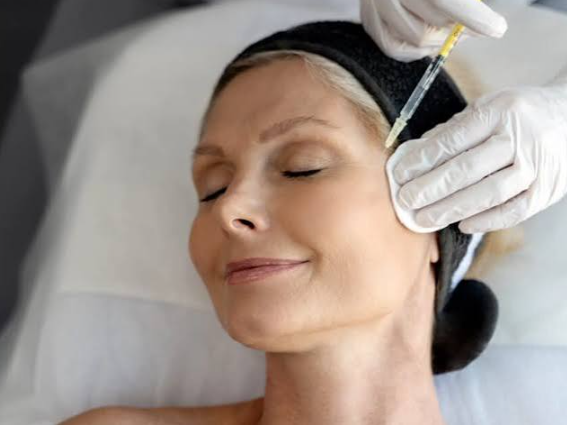
During surgery, a surgeon makes discreet incisions, usually hidden around the hairline and in front of or behind the ears. The deeper tissues are repositioned, extra skin is trimmed, and the remaining skin is smoothed back into place. The aim is a refreshed, natural look, not a pulled or “windswept” one.
Why Dubai Attracts Patients
Dubai has built a strong reputation in medical tourism. Here are the main reasons people choose it:
- Modern facilities: Many clinics and hospitals use advanced surgical technology and follow international safety standards.
- Experienced surgeons: The city draws internationally trained specialists who perform these procedures regularly.
- Privacy: Recovery in a discreet setting appeals to those who prefer not to explain time away from work or social life.
- Convenience: Excellent flight connections, quality hotels, and recovery-friendly accommodation make planning easier.
See also: How Can Cerebral Palsy Affect Everyday Life and Independence?
Who Makes a Good Candidate?
Most patients are in their 40s to 70s, but age matters less than skin quality and overall health. You may be a good candidate if you:
- Have noticeable sagging in the cheeks, jawline, or neck
- Are in good general health and do not smoke
- Have realistic expectations about the results
- Still have some skin elasticity
People with uncontrolled medical conditions, or those hoping for a completely different face, may need other advice. A proper consultation will clarify this.
Types of Facelift Techniques
Not every facelift is the same. Your surgeon will recommend an approach based on your needs:
- Traditional (full) facelift: Best for moderate to significant sagging in the face and neck.
- Mini facelift: Uses shorter incisions and suits milder sagging, with a quicker recovery.
- Deep plane facelift: Repositions deeper layers of tissue for longer-lasting, natural-looking results.
- Neck lift: Often combined with a facelift to address loose skin and bands under the chin.
Some patients also add eyelid surgery or fat grafting for a more balanced result.
What Recovery Looks Like
Recovery varies, but a typical timeline looks like this:
- First week: Swelling, bruising, and tightness are normal. Rest, keep your head elevated, and follow your surgeon’s care instructions.
- Weeks two to three: Bruising fades, and most people feel comfortable returning to light daily activity.
- One to three months: Swelling continues to settle, and the final contour becomes clearer.
If you are traveling from abroad, plan to stay in the city for at least 7 to 10 days so your surgeon can check your healing and remove any stitches.
How to Choose the Right Surgeon
Your surgeon matters more than any other factor. Before committing, check these points:
- Credentials: Confirm board certification and licensing with the Dubai Health Authority.
- Before-and-after photos: Look for natural results on patients with similar features to yours.
- Clear communication: A good surgeon listens, explains risks honestly, and never rushes you.
- Hospital quality: Make sure surgery takes place in an accredited facility with proper anesthesia support.
Be cautious of unusually low prices or promises that sound too perfect.
Understanding Risks and Costs
Like any surgery, a facelift carries risks, including infection, bleeding, scarring, nerve injury, and asymmetry. Choosing a skilled surgeon and following aftercare instructions greatly lowers these chances.
Costs vary widely depending on the technique, the surgeon’s experience, the facility, and any added procedures. Ask for a written, itemized quote that covers the surgeon’s fee, anesthesia, hospital charges, and follow-up visits so there are no surprises.
Final Thoughts
A facelift is a personal decision, and the best results come from patience, research, and honest conversations with a qualified professional. Take your time, ask plenty of questions, and choose a surgeon who makes you feel informed and comfortable. When the plan fits your goals, the outcome can be a more rested, confident version of you.