ByJohn A
What Is a Central Production Kitchen and How Does It Work
As food businesses scale beyond a single location, the operational complexity of maintaining consistent quality and efficient production across multiple outlets grows considerably. The central production kitchen model has emerged as a solution to this challenge, centralizing key food preparation processes to support consistency and efficiency at scale. This article explains what a central production kitchen is and how it typically functions.
Defining the Central Production Kitchen Concept
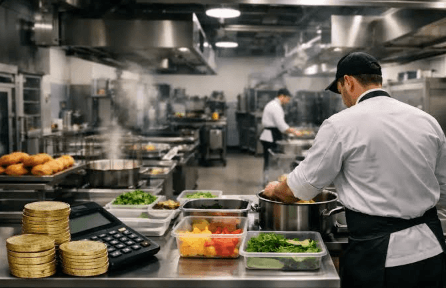
A central production kitchen refers to a dedicated facility where core food preparation, such as sauces, bases, portioned ingredients, or fully prepared items, is produced centrally before being distributed to multiple restaurant locations or delivery points, rather than each individual outlet handling all preparation independently.
Why Centralization Makes Sense at Scale
For food businesses operating multiple locations, centralizing certain preparation processes allows for more consistent quality control, more efficient bulk purchasing and ingredient management, and reduced duplication of specialized equipment or skilled labor across every individual outlet.
Key Benefits of the Central Production Model
Beyond consistency, central production kitchens often enable significant cost efficiencies through economies of scale in ingredient purchasing, more efficient labor allocation, and reduced waste through more precise production planning compared to smaller-scale preparation happening independently at each location.
Maintaining Quality Across Multiple Outlets
One of the more valuable aspects of this model is its ability to maintain consistent product quality across a brand’s various locations, since standardized preparation processes at a central facility reduce the variability that can occur when preparation is handled independently by different teams at separate sites. Businesses considering this operational structure can learn more about how a central production kitchen supports this kind of scalable consistency across multiple locations.
Logistics and Distribution Considerations
Operating a central production kitchen successfully requires careful attention to distribution logistics, including maintaining appropriate food safety standards during transport and ensuring that prepared items reach individual locations with sufficient freshness and quality intact.
When This Model Makes the Most Sense
The central production kitchen model tends to deliver the greatest value for food businesses operating multiple locations or fulfilling substantial delivery volume, where the efficiency gains from centralized production meaningfully outweigh the additional logistical complexity involved in distribution.
See also: How Technology Is Reshaping Customer Service Standards
Frequently Asked Questions
Is a central production kitchen only suitable for large restaurant chains? While larger chains often benefit most significantly, growing food businesses with multiple locations or substantial delivery volume can also find meaningful value in adopting this model earlier in their growth.
How does a central production kitchen maintain food quality during distribution? This typically involves careful attention to food safety protocols, appropriate packaging, and distribution timing designed to preserve freshness and quality by the time items reach their final destination.
What types of food preparation are typically centralized in this model? Common examples include sauce and base preparation, ingredient portioning, and sometimes fully prepared items, though the specific scope varies depending on a business’s particular operational needs.
Conclusion
The central production kitchen model offers a genuinely effective solution for food businesses seeking to maintain consistency and efficiency as they scale across multiple locations. Understanding how this model works helps growing food businesses evaluate whether centralizing key preparation processes could meaningfully benefit their own operations.