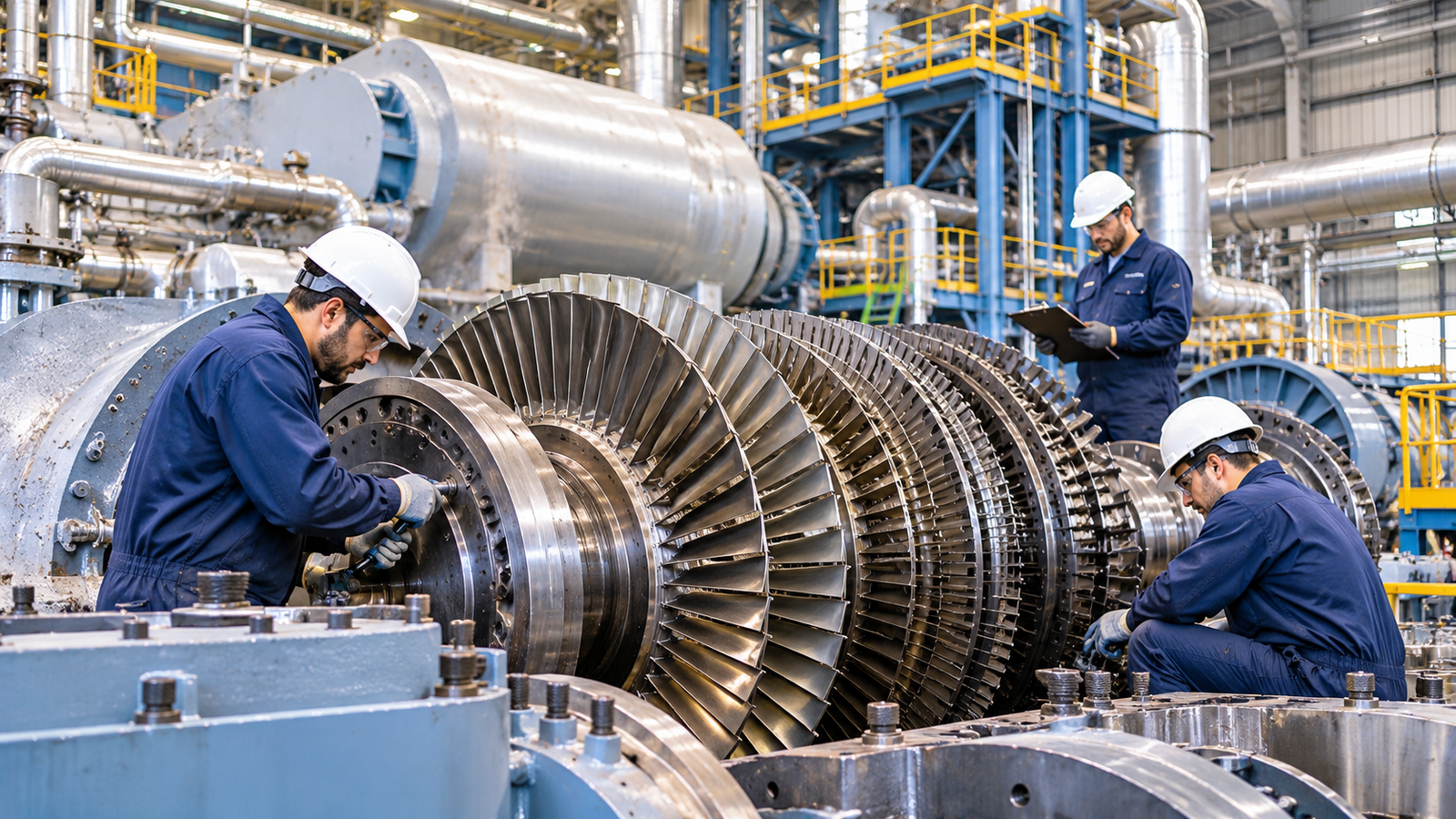

Steam turbines operate under demanding conditions, converting thermal energy into mechanical power for electricity generation and industrial processes. Over time, high temperatures, pressure fluctuations, vibration, and mechanical wear can affect their performance. Timely inspection and specialist repairs help prevent minor defects from developing into major equipment failures. A reliable steam turbine repair company supports plant operators by identifying component damage, restoring equipment functionality, and reducing the risk of unexpected shutdowns. Understanding the repair process, maintenance requirements, and technical considerations can help facilities make better decisions about turbine care.
Common Problems That Affect Steam Turbine Performance
Steam turbines contain several precision-engineered components that must work together under controlled operating conditions. Even small defects can affect efficiency, vibration levels, and overall equipment reliability.
Some common problems include:
- Blade erosion: Moisture droplets and steam impurities can gradually damage turbine blades, affecting their aerodynamic performance.
- Rotor imbalance: Uneven material wear, deposits, or component damage can create vibration during operation.
- Bearing deterioration: Worn bearings may cause excessive movement, friction, and increased operating temperatures.
- Seal leakage: Damaged seals allow steam to escape, reducing efficiency and affecting pressure conditions.
- Casing distortion: Thermal stress and repeated temperature changes can contribute to casing deformation.
- Shaft misalignment: Incorrect alignment can increase mechanical stress and accelerate wear in connected components.
These problems require careful diagnosis because similar symptoms may originate from different mechanical or operational causes. A detailed inspection helps determine the appropriate repair method.
How a Steam Turbine Repair Company Approaches Equipment Restoration
Turbine repair involves more than replacing damaged parts. Engineers must understand the equipment’s operating history, identify the source of failure, and determine whether individual components can be restored or require replacement.
A typical repair programme includes several stages.
1. Initial inspection and condition assessment
The repair process begins with reviewing operating records, maintenance history, vibration readings, and previous inspection reports. Engineers may also examine the turbine casing, rotor, blades, bearings, and seals to identify visible damage.
2. Component disassembly
Depending on the extent of the problem, technicians carefully dismantle selected sections of the turbine. Components are labelled, documented, and inspected to establish their condition before repair work begins.
3. Damage evaluation
Specialists use suitable inspection techniques, including dimensional measurements and non-destructive testing, to identify cracks, deformation, corrosion, and material deterioration.
4. Repair and component restoration
Repair activities may involve machining, welding, blade restoration, shaft refurbishment, seal replacement, and balancing. The selected method depends on component material, damage severity, engineering specifications, and manufacturer requirements.
5. Reassembly and testing
After restoration, components are reassembled and checked for alignment, clearances, and mechanical integrity. Appropriate testing confirms that the equipment meets the required acceptance criteria before returning to service.
A properly documented repair process gives plant operators a clearer understanding of equipment condition and future maintenance requirements.
The Technical Skills Required for Turbine Repairs
Steam turbine systems involve complex mechanical assemblies, precise tolerances, and demanding operating conditions. Repair work therefore requires experienced engineers, trained technicians, and suitable workshop facilities.
Experienced steam turbine repair experts can assess component damage, interpret inspection results, and recommend suitable restoration procedures. Their knowledge is particularly valuable when dealing with older equipment, obsolete components, or turbines that have experienced repeated operational problems.
Specialist capabilities may include:
- Rotor inspection and refurbishment.
- Turbine blade repair and replacement.
- Bearing and seal restoration.
- Precision machining and dimensional checks.
- Dynamic balancing.
- Shaft alignment.
- Welding and surface restoration.
- Post-repair inspection and quality documentation.
The availability of these capabilities can influence repair quality, turnaround time, and long-term equipment performance.
Repair and Maintenance Requirements for Simple Cycle Turbines
Simple cycle gas turbines are widely used in power generation because they can start relatively quickly and provide electricity when demand increases. Their operating arrangements differ from steam turbine systems, but both require regular inspection and planned maintenance.
Why Simple Cycle Turbines Need Regular Inspection
Gas turbines operate with high-temperature combustion gases passing through the turbine section. Continuous exposure to thermal stress, pressure changes, and mechanical loading can affect critical components.
Simple cycle turbine repair may involve correcting mechanical defects, restoring damaged components, replacing worn parts, and addressing problems identified during inspections.
Common areas requiring attention include:
- Compressor blades and vanes.
- Combustion chamber components.
- Turbine blades and nozzles.
- Bearings and lubrication systems.
- Fuel delivery equipment.
- Exhaust sections and associated structures.
The repair scope depends on operating hours, start-stop frequency, inspection findings, and the manufacturer’s maintenance recommendations.
Addressing Component Damage in Gas Turbines
High firing temperatures can gradually affect turbine blades, nozzle guide vanes, and other hot-section components. Oxidation, thermal fatigue, coating deterioration, and cracking may reduce component service life.
Simple cycle gas turbine repair generally involves evaluating the damaged section, determining whether restoration is technically acceptable, and completing the required repair or replacement work.
Depending on the component and its condition, repair procedures may include specialised welding, coating restoration, dimensional correction, and non-destructive examination. Each repaired component must meet the applicable engineering and quality requirements before installation.
Maintenance Planning to Reduce Unexpected Shutdowns
Unplanned turbine outages can interrupt electricity production, affect industrial operations, and increase maintenance expenditure. A planned maintenance programme helps operators identify developing problems before they lead to serious equipment damage.
A suitable simple cycle turbine maintenance programme should consider equipment condition, operating hours, start frequency, environmental conditions, and manufacturer guidance.
Important maintenance activities include:
- Monitoring vibration and bearing temperatures.
- Checking lubrication oil quality and pressure.
- Inspecting filters and air intake systems.
- Examining fuel system performance.
- Reviewing combustion characteristics.
- Checking control and protection systems.
- Recording operating trends and inspection findings.
Maintenance intervals should reflect actual operating conditions rather than relying exclusively on fixed calendar schedules.
Maintenance Considerations for Gas Turbine Systems
Gas turbine maintenance requires attention to both mechanical and thermal components. Inspections may focus on compressor cleanliness, combustion performance, turbine blade condition, cooling passages, and exhaust system integrity.
Simple cycle gas turbine maintenance also involves reviewing performance data to identify changes in fuel consumption, exhaust temperature, output, and vibration.
Condition-based maintenance can help operators prioritise inspections according to equipment performance and measured deterioration. However, monitoring systems should complement, not replace, physical inspections and manufacturer-prescribed maintenance activities.
Choosing a Suitable Turbine Repair Service Provider
Selecting a repair provider requires more than comparing quotations. Plant operators should evaluate technical capability, previous project experience, inspection procedures, workshop resources, and quality management practices.
Several factors deserve attention:
Relevant repair experience: Check whether the provider has handled similar turbine models, component types, and failure conditions.
Technical facilities: Confirm the availability of machining equipment, balancing facilities, inspection tools, and specialised repair processes.
Quality assurance: Ask about material traceability, inspection records, repair documentation, and testing procedures.
Project management: Discuss repair schedules, component availability, workforce requirements, and communication arrangements.
Technical reporting: Detailed reports should explain the original defect, completed repairs, inspection results, and recommendations for future maintenance.
Clear communication between plant operators and repair specialists also helps establish realistic turnaround expectations and avoid misunderstandings about the repair scope.
Protecting Turbine Assets Through Planned Engineering Support
Turbine reliability depends on sound operating practices, accurate condition assessment, and timely engineering intervention. Regular inspections help identify wear, while technically appropriate repairs restore damaged components and support continued operation.
Power plant operators should maintain detailed equipment records, investigate unusual operating conditions, and schedule maintenance according to equipment requirements. Working with experienced repair specialists also helps ensure that restoration procedures follow relevant engineering specifications and quality standards.
A well-managed turbine maintenance programme supports equipment availability, helps control repair costs, and gives facilities better visibility into the condition of critical power generation assets.