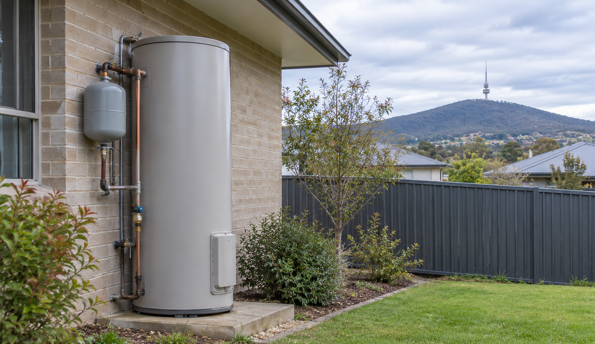

A reliable hot water supply is essential for everyday household activities, from showering and washing dishes to laundry and cleaning. However, an unsuitable system can lead to higher electricity or gas bills, inconsistent water temperatures and frequent maintenance problems. Understanding the different hot water systems in Canberra can help homeowners choose equipment that suits their household size, energy requirements and budget. Canberra’s cold winters also make heating performance an important consideration, particularly for households that rely on hot water throughout the day.
Why Your Choice of Hot Water System Matters
A hot water system is a long-term household investment. Its purchase price is only one part of the overall cost. Energy consumption, maintenance requirements, expected lifespan and installation expenses also affect how much you spend over the years.
Canberra experiences considerable seasonal temperature changes. During winter, incoming water is colder, meaning a system may need more energy to reach the desired temperature. A unit that performs adequately during warmer months might struggle to meet household demand during colder periods if its capacity is too small.
Choosing the right equipment can help you:
- Maintain a consistent supply of hot water.
- Reduce unnecessary energy consumption.
- Avoid frequent breakdowns and unexpected repair expenses.
- Meet the household’s daily water requirements.
- Improve energy efficiency over the system’s operating life.
Before purchasing a replacement, consider how many people live in your home, how often hot water is used and whether several bathrooms operate simultaneously.
Different Types of Hot Water Systems Available
Homeowners have several options, each with different operating requirements and benefits. Understanding these differences makes it easier to compare products and identify suitable equipment.
Electric Storage Systems
Electric storage systems heat water inside an insulated tank and keep it available until required. They are commonly found in residential properties because of their relatively straightforward design and familiar operation.
Tank capacity is an important consideration. A small unit may be sufficient for a couple, while a larger household with multiple bathrooms may require greater storage capacity.
Some electric storage models can operate with off-peak electricity tariffs, depending on the electricity provider and connection arrangements. However, standby heat loss means the system can consume energy even when nobody is using hot water.
Gas Storage Systems
Gas storage units use natural gas or LPG to heat water held in a tank. They can provide a dependable supply for households with substantial hot water requirements.
These systems are worth considering in properties with an existing gas connection. Their running costs depend on gas prices, insulation quality, appliance efficiency and household consumption.
Homeowners should also check ventilation, installation clearances and the availability of replacement components before selecting a model.
Continuous Flow Systems
Continuous flow systems, also known as instantaneous systems, heat water as it passes through the appliance. They do not store a large volume of heated water, so there is no conventional storage tank.
Their compact design makes them suitable for properties with limited installation space. Correct sizing is essential because the unit must provide enough flow to serve simultaneous showers, taps and other appliances.
Gas-powered models are common, although electric instantaneous options are also available. Households should check the available energy supply and required electrical capacity before choosing a unit.
Heat Pump Systems
Heat pump water heaters draw heat from the surrounding air and use it to heat water. They generally require less electricity than conventional electric resistance storage systems.
These units can be particularly attractive to homeowners interested in reducing household energy consumption. However, their performance depends on ambient temperatures, placement, available space and the manufacturer’s operating specifications.
Canberra’s colder winter conditions make product selection especially important. Check the manufacturer’s published performance figures at lower ambient temperatures rather than relying solely on efficiency ratings measured under warmer conditions.
Solar Hot Water Systems
Solar hot water systems use roof-mounted collectors to capture energy from sunlight. They usually include a storage tank and an auxiliary heating source for periods when solar energy is insufficient.
Their performance depends on roof orientation, shading, collector size and household consumption. Canberra receives useful solar exposure, but cloudy winter days mean backup heating remains necessary for a reliable supply.
How to Select the Right Capacity for Your Household
System capacity should reflect actual household demand rather than simply the available installation space.
A household with two occupants may have different requirements from a family of five. Shower frequency, bath usage, dishwasher operation and laundry habits all influence the amount of hot water needed.
For storage systems, consider:
- Number of occupants: More residents generally increase daily demand.
- Bathroom facilities: Multiple bathrooms can create simultaneous demand.
- Peak usage: Morning and evening routines often place the greatest pressure on the system.
- Appliance requirements: Some dishwashers and washing machines use hot water supplied by the household system.
- Future household changes: Growing families may need additional capacity.
For continuous flow systems, check the required flow rate in litres per minute. The unit must support the expected number of simultaneous outlets without a noticeable reduction in temperature or water pressure.
A licensed installer can assess household demand and recommend an appropriate capacity.
Signs Your Existing System Needs Attention
Hot water equipment often shows warning signs before it stops working completely. Recognising these problems early can help prevent damage and reduce disruption.
Common indicators include:
- Inconsistent water temperature: Water that suddenly becomes cold or fluctuates between hot and cold may indicate a thermostat, heating element or system fault.
- Reduced hot water supply: A tank that runs out quickly may have a faulty component or insufficient capacity.
- Unusual noises: Popping, rumbling or banging sounds can indicate sediment accumulation inside a storage tank.
- Visible leaks: Water around the tank, valves or connecting pipes requires prompt investigation.
- Rust-coloured water: Discoloured hot water can indicate corrosion within the tank or plumbing.
- Increasing energy bills: A decline in system efficiency may increase energy consumption.
Arranging hot water repairs in Canberra through a qualified professional can help identify the cause of these issues. Repairs may involve replacing a thermostat, heating element, pressure relief valve or another damaged component.
A technician should assess the system’s condition before recommending replacement. For older units with extensive corrosion or repeated failures, installing new equipment may be more economical than continuing with repairs.
See also: Managing Energy Costs in Energy Intensive Businesses
What Happens During a Professional Installation?
Installing a hot water unit involves more than connecting pipes and switching on the power. The work must meet applicable plumbing, electrical and gas safety requirements.
Professional hot water installation in Canberra services typically begin with an assessment of the existing equipment, household requirements and available installation space.
The installation process may include:
- Initial inspection: The installer checks the existing plumbing, electrical supply, gas connection and mounting area.
- System selection: Equipment is selected according to capacity, energy source and property requirements.
- Removal of old equipment: The existing unit is safely disconnected and removed.
- New unit installation: The replacement is positioned and connected to the required services.
- Safety checks: Connections, valves, pressure settings and electrical or gas components are inspected.
- Operational testing: The system is tested to confirm correct heating and water delivery.
Some properties may require additional work, such as electrical upgrades, plumbing alterations or changes to the installation location. These requirements should be discussed before work begins.
Ways to Reduce Hot Water Running Costs
Households can lower hot water energy consumption through a combination of equipment selection and everyday habits.
Install water-efficient showerheads: Efficient showerheads reduce the amount of heated water used without necessarily affecting comfort.
Fix leaking taps: Even a small leak can waste substantial amounts of water over time, particularly if the water is heated.
Insulate exposed pipes: Suitable pipe insulation helps reduce heat loss between the water heater and household outlets.
Set appropriate temperatures: Follow manufacturer instructions and Australian safety requirements when setting storage and delivery temperatures. For many domestic storage systems, water must be stored at 60°C to control Legionella bacteria, while temperature-limiting devices help protect against scalding.
Use timers where suitable: Some systems can benefit from controlled heating schedules, particularly when household demand follows a predictable routine.
Arrange periodic inspections: Professional servicing can identify developing faults, check safety components and help maintain reliable operation.
What to Check Before Hiring an Installer
Choosing an appropriately qualified contractor is just as important as selecting the equipment. Poor installation can affect performance, increase energy consumption and create safety risks.
Check the following before accepting a quotation:
- Relevant plumbing, gas-fitting and electrical licences.
- Experience installing your preferred system type.
- Written quotations covering labour, equipment and additional work.
- Manufacturer warranties and workmanship guarantees.
- Disposal arrangements for the old unit.
- Expected installation time and any temporary water interruptions.
- Availability of future maintenance and repair services.
Ask the installer to explain the expected running costs, warranty conditions and maintenance requirements of the recommended model. Comparing several quotations can also help you understand differences in equipment quality and installation scope.
Making a Practical Long-Term Choice
Selecting a hot water system requires a balance between household demand, local climate, installation requirements and ongoing energy costs. A system that works well for one property may not be suitable for another.
Compare storage, continuous flow, heat pump and solar options before making a purchase. Pay attention to performance in colder weather, available energy connections and the total cost of ownership rather than focusing only on the initial price.
A professional assessment can help identify equipment that meets your household’s needs and provides a dependable hot water supply throughout Canberra’s changing seasons.