
Natural light can change the character of an attic, loft, or upper-floor room, but roof glazing needs to do more than brighten the interior. It must also manage heat loss, condensation, outside noise, and changing weather conditions. Homeowners considering triple glazed pitched roof windows should look beyond appearance and examine how glazing construction, frame quality, roof positioning, and installation influence long-term performance.
Why Roof Windows Deserve More Attention
Rooms beneath pitched roofs often have limited wall space for conventional windows. This can leave loft bedrooms, home offices, and converted attics feeling enclosed, particularly when artificial lighting is needed throughout the day.
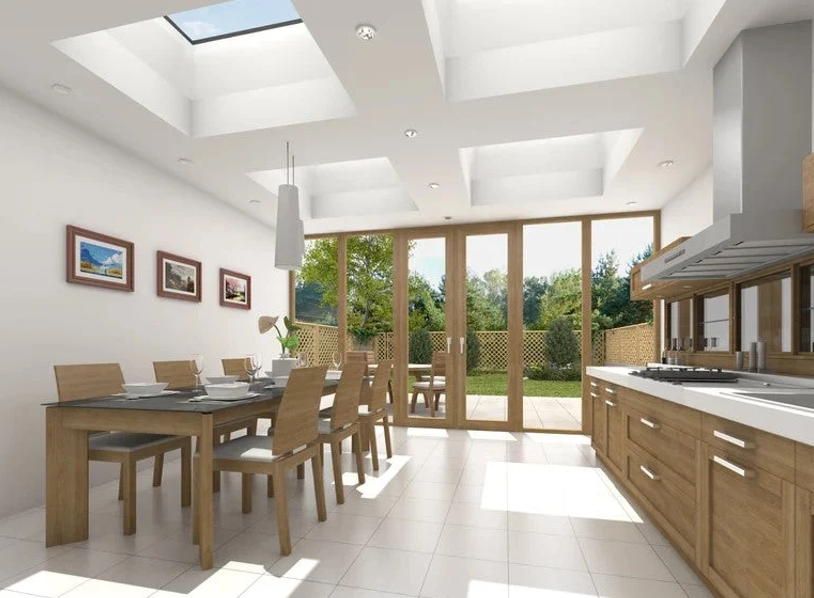
Roof windows provide an alternative by bringing daylight in from above. Their position can distribute natural light across a larger portion of the room, depending on the roof angle, window dimensions, and interior layout.
They can also provide ventilation when designed with an opening mechanism. This is useful in upper-floor spaces where warm air tends to collect. A properly positioned roof window can help release accumulated heat and improve air circulation.
The design should account for the room’s purpose. A bedroom may benefit from good thermal insulation and effective blackout coverings, while a home office may need generous daylight with measures to control glare.
What Makes Triple Glazing Different?
Triple glazing uses three panes of glass separated by two sealed cavities. These cavities commonly contain air or an insulating gas, depending on the manufacturer’s specification. The arrangement reduces heat transfer through the glazed area compared with many conventional double-glazed configurations.
The performance of a window is usually assessed through its U-value. A lower U-value indicates better insulation and less heat passing through the window assembly. However, the glass specification alone does not determine the performance of the complete product.
Frames, spacers, seals, and installation details also contribute. A high-performing glass unit fitted into a poorly insulated frame may not deliver the expected results.
Triple glazing can be particularly useful in rooms that experience substantial temperature changes. It may help maintain more consistent indoor temperatures during colder months, while appropriate solar-control specifications can help manage unwanted heat from sunlight.
Better Insulation Can Improve Everyday Comfort
A poorly insulated roof window can create uncomfortable areas near the glazing. During colder weather, the interior glass surface may become significantly cooler than the surrounding room, making the area near the window feel less comfortable.
Improved glazing can reduce this temperature difference. It may also reduce cold spots and help maintain a more balanced indoor environment.
Condensation deserves attention as well. It can develop when warm, moisture-laden indoor air comes into contact with cold surfaces. Better-insulated glazing can reduce the likelihood of condensation forming on the internal glass surface, although it cannot eliminate the problem entirely.
Indoor humidity, ventilation, cooking, bathing, and drying clothes all influence moisture levels. Regular ventilation remains necessary, even in homes fitted with high-performance windows.
Natural Light Without Sacrificing Privacy
Roof windows can introduce daylight into areas that might otherwise depend heavily on electric lighting. Their elevated position may also offer a degree of privacy compared with conventional windows facing neighbouring properties.
The amount of daylight entering a room depends on several factors:
- Window size and placement.
- Roof orientation and pitch.
- External obstructions such as nearby buildings or trees.
- Glass transparency and coatings.
- Interior wall colours and surface finishes.
A north-facing roof window may receive more consistent but less direct sunlight, while a south-facing installation may receive stronger sunlight during parts of the day. The appropriate choice depends on the property’s location and room requirements.
Blinds and shades can provide additional control. Blackout blinds are useful for bedrooms, while light-filtering options can reduce glare in workspaces without making the room excessively dark.
Choosing the Right Specification for Your Roof
A roof window must suit the roof structure, covering material, and pitch. Selecting a product based solely on its appearance can create installation problems or compromise weather protection.
Check the manufacturer’s permitted roof-pitch range before purchasing. Flashing kits should also match the roofing material, whether the roof uses tiles, slate, or another covering.
Frame materials deserve consideration. Timber frames offer a traditional appearance, while polyurethane-coated or other low-maintenance finishes may suit homeowners who prefer easier cleaning and upkeep.
Opening mechanisms also differ. Centre-pivot windows are common in residential applications, while top-hung designs can provide a wider outward opening where the roof configuration permits.
Before choosing a model, review its ventilation features, cleaning access, locking system, glazing specification, and compatibility with the existing roof structure.
The Importance of Professional Installation
Even a well-designed window can perform poorly if installation is rushed or incorrectly completed. Gaps around the frame, damaged seals, unsuitable flashing, and inadequate insulation around the opening can allow water or air to enter.
Roof preparation should include checking rafters, roof coverings, insulation depth, and any structural requirements. Cutting or altering roof timbers may require professional assessment before work begins.
A correctly installed flashing system directs rainwater away from the window and into the surrounding roof drainage arrangement. The installer should also ensure that the window is properly aligned and that the surrounding insulation does not obstruct drainage channels or ventilation provisions.
For homeowners researching products from Skylights Rooflight, comparing technical specifications alongside installation requirements can help establish whether a particular roof window suits the property. Product dimensions, glazing performance, roof-pitch compatibility, and available accessories should all be reviewed before making a purchase.
Are the Higher Upfront Costs Justified?
Triple-glazed roof windows can cost more than comparable double-glazed alternatives. The difference depends on dimensions, frame construction, opening mechanisms, coatings, and manufacturer specifications.
The financial decision should consider the property’s existing insulation and the room’s intended use. In a poorly insulated loft, upgrading the glazing alone may deliver limited benefits if substantial heat continues to escape through the roof, walls, or floor.
A whole-room assessment provides a clearer picture. Roof insulation, draught-proofing, ventilation, and glazing should work together to support comfortable indoor conditions.
Potential energy savings also depend on the local climate, heating system, window area, and household energy use. Rather than assuming a fixed reduction in energy bills, homeowners should compare the product’s documented performance with their existing windows.
A Roof Window That Works Beyond Appearance
A well-selected pitched roof window can make an attic or loft feel brighter and more usable while supporting better indoor comfort. The right specification depends on the property’s structure, orientation, insulation, and ventilation requirements. Homeowners planning a roof renovation should assess these details before settling on a product. Contact us to discuss your roof glazing requirements and explore suitable window options for your property. A carefully planned installation can help ensure the finished space is practical, comfortable, and suited to everyday living.