
Home renovations, garden maintenance, property clear-outs, and construction projects can produce more rubbish than ordinary household bins can handle. Timber offcuts, broken furniture, soil, branches, packaging, and old fixtures quickly occupy driveways and outdoor spaces. Residents planning to skip hire woodside services can make waste removal easier by choosing an appropriate bin size, sorting materials correctly, and arranging collection before rubbish begins to interfere with their work.
Why Waste Builds Up Faster Than Expected
A small renovation or weekend garden project can generate a surprising amount of waste. Removing old kitchen cabinets, replacing flooring, clearing an overgrown backyard, or dismantling a garden shed often produces bulky materials that cannot be disposed of through regular council collections.
Household waste also tends to accumulate during moving and downsizing. Unwanted furniture, damaged appliances, cardboard boxes, and miscellaneous belongings may need to be removed within a limited period.
Leaving these materials in outdoor areas can create practical problems. Waste may obstruct access paths, attract pests, become scattered by wind, or present tripping hazards. Organised disposal helps keep the work area accessible and makes it easier to complete projects without repeatedly moving rubbish from one location to another.
What Type of Projects Can Benefit from a Skip Bin?
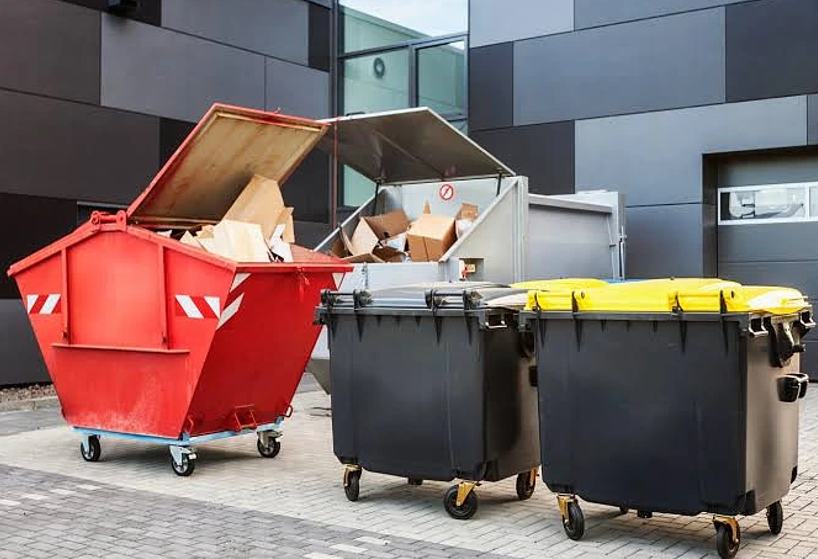
Skip bins are commonly used for residential, commercial, and landscaping projects. Their capacity makes them suitable for collecting different types of waste in one designated location, subject to the provider’s accepted-material guidelines.
Home renovations: Bathroom upgrades, kitchen replacements, flooring projects, and interior improvements can produce plasterboard, timber, tiles, and packaging waste. A skip bin provides a central collection point for these materials.
Garden clean-ups: Pruned branches, leaves, weeds, grass clippings, and other green waste can quickly fill household garden bins. A suitable skip can accommodate larger clean-up volumes, provided the selected service accepts green waste.
Moving house: Clearing unwanted possessions before relocating can involve furniture, household items, cardboard, and general rubbish. Having a designated disposal area helps prevent clutter from spreading throughout the property.
Construction and maintenance: Builders and tradespeople often generate timber scraps, broken materials, concrete, and packaging during their work. Choosing an appropriate waste container helps maintain a tidier site.
Commercial premises: Offices, retail spaces, and workshops may require waste removal during refurbishments, stock clearances, or routine maintenance.
Selecting a Skip Bin That Matches the Job
Choosing the correct skip size can prevent unnecessary costs and collection delays. A bin that is too small may need to be replaced before the project finishes, while an oversized container may mean paying for capacity that remains unused.
Start by estimating the volume of rubbish rather than judging the requirement solely by the number of items. Bulky furniture occupies more space than compact building materials, while loose branches and packaging can take up considerable room.
Common skip sizes are often described in cubic metres. Smaller bins may suit garden maintenance and minor household clear-outs, while larger containers are generally more appropriate for renovations and construction work.
Consider these points before booking:
- The approximate quantity of rubbish.
- The dimensions of bulky items.
- The type of materials being discarded.
- The expected duration of the project.
- Available space for delivery and collection.
- Any weight restrictions attached to the selected bin.
If the amount of waste is uncertain, discuss the project with the provider. A brief description of the work and the materials involved can help determine a suitable capacity.
Keep Different Waste Materials in Mind
Not every material can be placed inside a general-purpose skip. Waste providers commonly separate materials into categories because different items require different handling, processing, or disposal methods.
General household rubbish may include unwanted non-recyclable items, packaging, and miscellaneous debris. Green waste typically includes leaves, branches, grass, and garden cuttings. Clean construction waste may include certain types of timber, bricks, concrete, and masonry.
Hazardous or restricted materials often require separate arrangements. These may include asbestos, chemicals, paints, solvents, batteries, gas cylinders, and some electrical equipment. Tyres, mattresses, and certain appliances may also have specific disposal requirements.
Mixing restricted materials with general rubbish can result in additional charges or refusal of collection. Check the provider’s accepted-material list before loading the bin, especially during renovation work where unexpected materials may be uncovered.
How a Well-Planned Clean-Up Saves Time
An organised waste-removal process starts before the first item is discarded. Designate a collection area for rubbish and separate recyclable materials from general waste where practical.
For larger projects, remove waste progressively rather than allowing it to accumulate until the final day. This keeps work areas accessible and makes it easier to identify materials that require separate disposal.
Place heavier materials at the bottom of the bin and distribute the load evenly. Avoid placing all heavy items on one side, as uneven loading can create handling and transport problems.
Keep the waste below the fill line. Overfilled skip bins can create safety concerns during transportation and may not be collected until the load has been corrected. Never climb into a skip or attempt to compact waste by standing on it.
The Role of Reliable Local Waste Services
Local waste services can make residential and commercial clean-ups easier to coordinate. A provider familiar with the Woodside area may be able to advise on suitable bin sizes, delivery arrangements, collection schedules, and local placement requirements.
Hop, Skip and Dump is associated with skip bin services. Customers considering any waste-removal provider should check the available bin options, accepted waste categories, hire periods, and pricing conditions before confirming an order.
Clear communication also helps avoid misunderstandings. Confirm the delivery address, preferred placement area, collection date, and any access restrictions. Narrow driveways, overhead branches, sloping surfaces, and limited turning space may affect where a skip can safely be positioned.
Check Placement Rules Before Delivery
A skip bin placed on private property generally presents fewer access concerns than one positioned on a public road or footpath. However, available space and surface conditions still need attention.
If the bin must be placed on public land, permission or a local council permit may be required. Requirements vary by council and can include conditions relating to pedestrian access, visibility, protective barriers, and placement duration.
Check the relevant local council requirements before arranging delivery. This is particularly important for properties with limited driveway space or renovation sites where public access must remain unobstructed.
Protecting the surface underneath the bin may also be worthwhile. Heavy containers can affect delicate paving, driveways, or landscaped areas, especially when loaded with dense construction materials.
Make Your Next Property Clean-Up Easier
A manageable waste-removal plan allows homeowners, gardeners, builders, and business operators to concentrate on their projects rather than dealing with scattered rubbish. Estimate the waste volume, check material restrictions, select an appropriate bin, and arrange delivery around the work schedule. For a more organised property clean-up, BOOK A SKIP BIN ONLINE and confirm the collection arrangements before your project begins. A little preparation can prevent unnecessary delays and keep the surrounding area safer and more accessible throughout the job.