ByJohn A
E Waste Recycling: Why Responsible Electronics Disposal Matters
Technology has become an essential part of modern life, with businesses and individuals relying on electronic devices for communication, productivity, and daily operations. However, as technology evolves, older devices are frequently replaced, creating a growing volume of discarded electronics. This increasing amount of electronic waste presents significant environmental and health challenges when not managed properly. E waste recycling plays a critical role in addressing these concerns by ensuring that outdated electronics are processed responsibly, valuable materials are recovered, and hazardous substances are handled safely. Understanding the importance of responsible electronics disposal can help organizations and individuals make informed decisions that benefit both the environment and society.
Understanding Electronic Waste
Electronic waste, commonly referred to as e-waste, includes discarded electronic devices and components that have reached the end of their useful life.
Examples of e-waste include:
- Computers and laptops
- Mobile phones
- Tablets
- Printers
- Monitors
- Servers
- Networking equipment
- Televisions
- Storage devices
- Peripheral accessories
As technology advances and replacement cycles become shorter, the volume of electronic waste continues to grow worldwide.
What Is E Waste Recycling?
E waste recycling is the process of collecting, dismantling, sorting, and recovering materials from discarded electronic devices. The goal is to safely manage electronic waste while recovering valuable resources that can be reused in manufacturing and production.
The recycling process helps prevent harmful materials from entering landfills while supporting sustainable resource management practices.
Why Responsible Electronics Disposal Matters
Protecting the Environment
Many electronic devices contain hazardous materials that can cause environmental damage if improperly discarded.
These materials may include:
- Lead
- Mercury
- Cadmium
- Chromium
- Brominated flame retardants
When electronics are sent to landfills, these substances can seep into soil and groundwater, creating long-term environmental risks.
Responsible disposal helps prevent contamination and supports healthier ecosystems.
Conserving Natural Resources
Electronic devices contain valuable materials that can be recovered and reused.
Examples include:
- Gold
- Silver
- Copper
- Aluminum
- Rare earth elements
By recovering these materials through recycling, the demand for new raw material extraction can be reduced, helping conserve natural resources.
Reducing Landfill Waste
Landfills are already under significant pressure from growing waste volumes. Discarded electronics occupy valuable landfill space and often contain materials that do not decompose naturally.
Proper recycling diverts electronic waste from landfills and promotes more sustainable waste management practices.
The Environmental Benefits of E Waste Recycling
Lower Pollution Levels
Responsible recycling processes are designed to safely remove hazardous substances before materials are recovered or disposed of.
This reduces:
- Soil contamination
- Water pollution
- Air pollution
- Toxic waste accumulation
Reduced Energy Consumption
Manufacturing products from recycled materials often requires less energy than producing them from newly mined resources.
By recovering metals and other materials from electronic waste, industries can reduce energy usage and lower environmental impacts.
Support for a Circular Economy
A circular economy focuses on keeping materials in use for as long as possible.
How Recycling Supports Circularity
Recovered materials can be used to manufacture new products, extending the value of existing resources and reducing waste generation.
This approach promotes sustainability while reducing dependence on finite natural resources.
The Importance of Data Security During Electronics Disposal
Many electronic devices contain sensitive information even after they are no longer in use.

Risks of Improper Disposal
Discarded devices may still contain:
- Personal information
- Customer records
- Financial data
- Business documents
- Login credentials
Simply deleting files may not permanently remove information.
Secure Data Removal
Responsible disposal processes often include secure data destruction methods that help ensure confidential information cannot be recovered.
Proper handling of data-bearing devices reduces the risk of data breaches and unauthorized access.
Common Challenges Associated with Electronic Waste
Rapid Technology Upgrades
Businesses and consumers frequently replace devices to keep up with evolving technology.
As a result, older equipment is often retired before it reaches the end of its physical lifespan.
Growing Device Usage
The increasing number of electronic devices used worldwide contributes to higher levels of electronic waste generation.
Lack of Awareness
Many individuals and organizations are unaware of proper disposal methods or the environmental consequences of improper e-waste management.
Education and awareness play a key role in improving recycling participation.
How E Waste Recycling Works
Collection and Inventory
The process begins with the collection of electronic devices from homes, offices, institutions, and businesses.
Assets are typically categorized based on:
- Device type
- Material composition
- Recovery potential
- Data security requirements
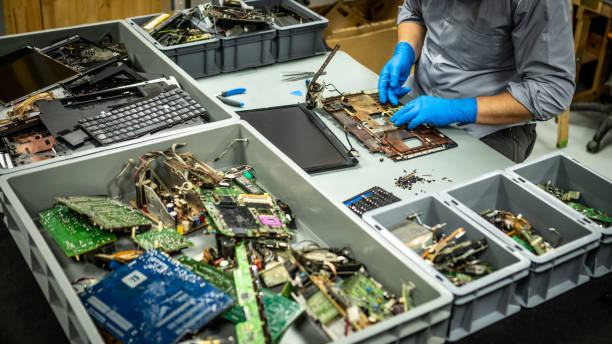
Dismantling and Sorting
Devices are disassembled to separate various materials and components.
Common material categories include:
- Metals
- Plastics
- Glass
- Circuit boards
- Batteries
Sorting ensures that materials are processed appropriately.
Material Recovery
Valuable resources are extracted and prepared for reuse in manufacturing.
This recovery process helps reduce waste while supporting resource conservation efforts.
Safe Disposal of Hazardous Components
Hazardous materials are isolated and processed according to environmental guidelines to minimize risks to human health and ecosystems.
Benefits of E Waste Recycling for Businesses
Supporting Sustainability Goals
Many organizations have environmental objectives focused on reducing waste and improving sustainability performance.
Responsible recycling helps businesses demonstrate their commitment to environmental stewardship.
Enhancing Corporate Reputation
Customers, investors, and stakeholders increasingly value organizations that prioritize sustainability and responsible waste management.
Proper electronics disposal can strengthen public trust and support positive brand perception.
Improving Compliance Efforts
Businesses must often comply with environmental regulations governing electronic waste management.
Recycling programs help organizations meet these obligations while maintaining proper documentation and accountability.
Recovering Residual Value
Some retired equipment may contain reusable components or materials that still hold value.
Responsible recycling can help maximize resource recovery and reduce overall disposal costs.
Best Practices for Responsible Electronics Disposal
Create an Asset Management Strategy
Organizations should maintain accurate records of electronic assets throughout their lifecycle.
Educate Employees
Training employees on proper disposal procedures helps prevent accidental environmental or data security risks.
Separate Electronics from General Waste
Electronic devices should never be mixed with regular trash due to their unique material composition and potential hazards.
Evaluate End-of-Life Options
Before disposal, organizations should determine whether equipment can be:
- Reused
- Refurbished
- Redeployed
- Recycled
This approach helps maximize resource efficiency.
The Future of E Waste Recycling
As technology adoption continues to increase, the importance of responsible electronics disposal will become even more significant.
Emerging innovations in recycling technology are improving the efficiency of material recovery and reducing environmental impacts. At the same time, growing awareness of sustainability and environmental responsibility is encouraging greater participation in recycling programs.
Governments, businesses, and consumers all play an important role in supporting responsible e-waste management and creating a more sustainable future.
See also: How Cryptocurrency Is Creating New Business Opportunities
Conclusion
The growing volume of discarded electronic devices presents both environmental challenges and opportunities for resource recovery. E waste recycling provides a responsible solution by preventing hazardous materials from entering the environment, conserving valuable resources, reducing landfill waste, and supporting sustainable practices. In addition to environmental benefits, proper electronics disposal helps protect sensitive data, improve compliance efforts, and strengthen organizational sustainability initiatives. By adopting responsible disposal practices and prioritizing recycling, individuals and businesses can contribute to a cleaner environment, a stronger circular economy, and a more sustainable future for generations to come.