ByJohn A
Standing Seam Metal Roofing vs Traditional Roofs: Which Delivers Better Long-Term Value?
Quick answer: Standing seam roofs last for 2 to 3 times as many years as asphalt shingle roofs; cost less money to maintain and perform much better under the conditions of high winds, hail, and fire than do asphalt shingles.
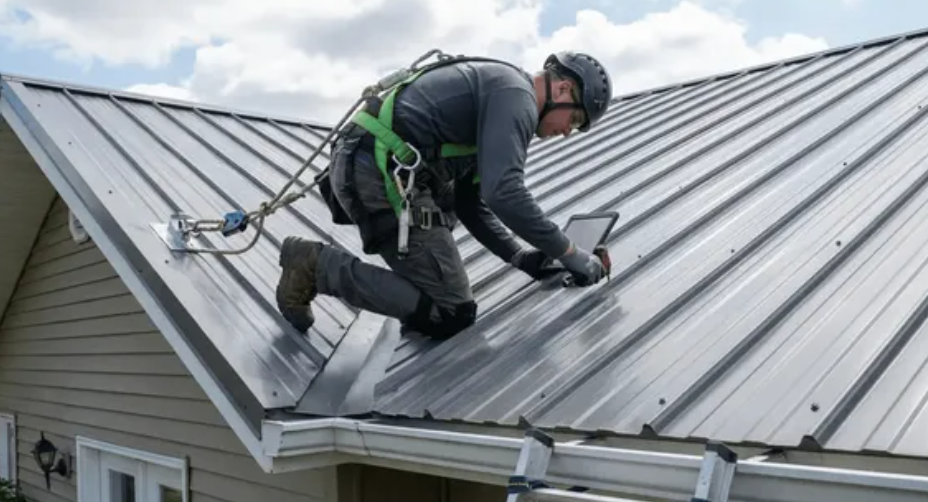
A roof is not simply a cover. The roof acts as the largest weather shield that your house has, and most people only give it a thought when there is a leak. The asphalt shingle roof has been the go-to choice of American homeowners over generations due to its affordability and familiarity to all contractors. Seam Roofing systems — the interlocking metal panels with raised seams that snap together without exposed fasteners — are quietly rewriting what homeowners expect from a 30-year investment.
Lifespan That Actually Justifies the Price Tag
Shingle roof life averaged 15 to 25 years. Standing seam roofs typically last anywhere from 40 to 70 years depending on coating maintenance. This is not a slight difference in longevity but rather something which makes the owner change the roof one time during his stay in the house or twice or even thrice.
A metal roof does not get cracks due to UV radiation degradation while asphalt shingles do. Metal roof panels are immune to curling and algae stains.
Weather Resistance Where It Actually Counts
Hailstorms, hurricanes, wildfire embers — traditional shingles lose this fight almost every time. Metal panels are rated to withstand winds up to 140 mph in many installations, and Class A fire ratings are standard on most seam systems.
Insurance adjusters know this too. Some insurance carriers in hail-vulnerable states such as Texas and Oklahoma are currently offering premium discounts ranging between 10 and 35 percent to homeowners with metal roofs.
| Factor | Standing Seam Metal | Traditional Asphalt Shingles |
| Average lifespan | 40–70 years | 15–25 years |
| Wind resistance | Up to 140 mph | Up to 90–110 mph |
| Fire Rating | Class A (most systems) | Class A (product dependent) |
| Maintenance cost/year | Low, mostly inspections | Moderate, granule loss & patching |
| Upfront cost per sq ft | $9–$16 | $3.50–$6 |
Energy Efficiency Nobody Talks About Enough
Metal reflects solar heat instead of absorbing it. Homes with reflective standing seam roofs report cooling cost reductions of 10-25% during peak summer months, according to Department of Energy field data. Asphalt does the opposite — it soaks up heat and radiates it straight into the attic.
Pair a seam roof with proper attic ventilation, and you’re looking at a noticeably lighter HVAC bill by August. That’s real money, year after year, not a one-time rebate.
See also: How Custom Bathroom Mirrors Elevate Luxury Bathroom Design
Maintenance That Doesn’t Eat Your Weekends
- No granule loss to monitor or sweep off the driveway
- Fewer algae and moss issues since panels shed water fast
- No repeated re-roofing labor costs every 15-20 years
- Coating touch-ups every 20+ years, not total replacement
Traditional roof repair is more common – fixing broken shingles, inspecting the flashing, and handling moss growth in shaded, humid environments. It adds up in labor calls even if each visit feels minor.
Resale Value and Buyer Perception
Buyers notice roofs during walkthroughs, whether they admit it or not. Remodeling Impact data from the National Association of Realtors consistently ranks new roofing among the top exterior projects for recovered cost at resale. A Seam Roofing installation, specifically, tends to signal “this house was cared for” in a way patched asphalt never quite does.
Homes in coastal or storm-heavy regions see an even sharper bump — buyers there are pricing in future storm risk, and a metal roof reduces that math considerably.
The conventional roof is still practical for those owners who intend to sell the property within a short time frame or have limited funds to renovate the house. However, if an owner plans to stay in one place for at least 15 years and above, then it will be worth the cost for him or her due to the savings that it will offer.
FAQ
Is standing seam roofing noisy in rain?
With proper solid decking and insulation underneath, sound levels are comparable to asphalt — the “tin roof” noise myth applies mostly to older, unlined installations.
Is it possible to add metal roofs to my existing shingles?
Yes, in some places, but a complete tear-off may be suggested because it can make your metal roof last longer.
How does a standing seam roof compare in cost to an asphalt roof?
Metal roofs will cost you about $9 to $16, while asphalt roofs will cost you between $3.50 and $6.
Do standing seam roofs need special contractors?
Yes — installation requires metal-specific training for seaming and flashing; not every general roofer is certified for it.
The math isn’t complicated once you lay it out: fewer replacements, lower cooling costs, stronger storm performance, and a resale bump that shingles rarely deliver. Standing seam metal roofing costs more on day one, but it’s the roof that’s still doing its job three decades from now while a traditional roof has already been torn off twice.