ByJohn A
Why Regular Wellness Visits At Animal Hospitals Matter
You feed your pet, watch their habits, and notice when something feels off. Even then, it is easy to put off a checkup when your dog still wants to play or your cat still curls up in the same sunny spot. Life gets busy, pets hide discomfort well, and a problem that looks small can stay invisible until it is not small anymore. That is why regular wellness visits matter, especially when working with a veterinarian in Beaumont, TX. They give you a clear picture of your pet’s health before pain, illness, or behavior changes force a crisis.
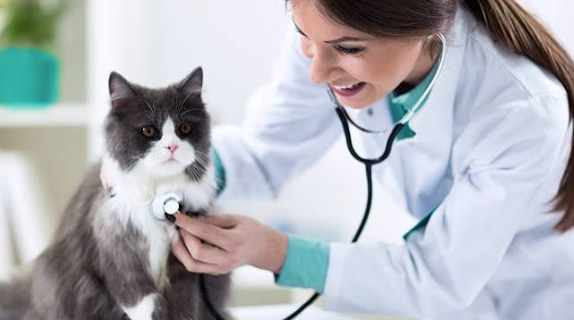
An annual or twice yearly visit at an animal hospital is not just about vaccines. It is a chance to track weight, dental health, mobility, skin changes, parasites, heart and lung function, and age related shifts that are easy to miss at home. These visits also protect your household. The CDC offers useful guidance on healthy pets and safe animal contact, which matters because some infections can pass between animals and people.
Preventive pet care catches problems before they turn expensive and painful
Most pet owners do not skip care because they do not care. They wait because their pet seems fine, or because they are trying to manage the cost of everything else in life. That delay can backfire. A mild ear infection can become a ruptured eardrum. Tartar can become gum disease and tooth loss. A slow gain in weight can turn into joint strain, diabetes, or breathing trouble.
Pets also compensate in ways that fool even attentive owners. A dog with arthritis may still run to the door, then struggle to stand after resting. A cat with dental pain may keep eating, just more slowly, dropping kibble, or avoiding harder food. A wellness exam gives a veterinarian the chance to catch these quiet changes early, when treatment is often simpler and less costly.
Routine veterinary checkups also create a baseline. When your pet’s normal heart rate, weight, lab values, and behavior patterns are documented over time, it becomes easier to spot changes that need attention. Without that history, care often starts later, after symptoms have become obvious and options are narrower.
See also: How Can Cerebral Palsy Affect Everyday Life and Independence?
Animal hospital wellness exams support your pet through every life stage
Puppies and kittens need frequent visits because they grow fast and need vaccine series, parasite screening, nutrition guidance, and behavior support. Adult pets benefit from steady monitoring that keeps small issues from building up. Senior pets often need closer follow up because aging brings kidney disease, arthritis, heart disease, cognitive changes, and cancer risk.
Dogs, in particular, benefit from regular checks tied to breed, size, and lifestyle. A large breed dog may need closer monitoring for joint issues. A small dog may be more prone to dental disease. A dog that hikes, swims, boards, or visits dog parks may face different risks than one that stays mostly at home. The CDC also shares practical information about dog health and safety, including ways to reduce illness and injury for both pets and people.
This is where pet wellness exams become less about a box to check and more about tailored care. Your veterinarian is looking at your pet’s age, habits, breed tendencies, vaccination status, diet, stool quality, skin, coat, and movement as one connected picture.
Regular visits at an animal hospital reduce emergency visits and guesswork
Emergency care has its place, but it is stressful, expensive, and often happens after a pet has been uncomfortable for longer than anyone realized. Regular visits lower that risk. They can uncover heart murmurs before collapse, identify weight loss before severe disease sets in, and flag abnormal lab results before your pet acts sick.
They also reduce guesswork at home. If your pet vomits once, drinks more water than usual, starts scratching nonstop, or seems quieter, you have an established hospital team that knows their history. That makes follow up faster and more accurate. It also gives you a place to ask the questions most owners carry around for months, like whether a limp is aging, whether breath odor is normal, or whether a change in appetite is a real warning sign.
Preventive care and delayed care lead to very different outcomes
| Situation | Regular Wellness Visits | Delayed Care |
|---|---|---|
| Dental disease | Early tartar noted, home care advised, cleaning planned before severe pain develops | Advanced infection, extractions, higher cost, reduced appetite, chronic pain |
| Weight gain | Body condition tracked, food adjusted, exercise plan started early | Obesity related joint strain, diabetes risk, lower stamina, harder weight loss |
| Parasites | Screening and prevention reduce spread to pets and people | Skin issues, intestinal illness, household exposure, more treatment needed |
| Senior health changes | Baseline labs and exams help catch kidney, thyroid, or heart changes sooner | Symptoms appear late, pet declines faster, treatment may be more limited |
| Unexpected symptoms | Established history helps the animal hospital respond quickly and accurately | Less context, more testing, more uncertainty, more stress |
Simple steps make regular veterinary care easier to keep up with
Schedule before there is a problem. Book your pet’s next visit before you leave the hospital, even if it is months away. Healthy young adults often need yearly exams. Puppies, kittens, seniors, and pets with ongoing issues may need more frequent care.
Track the small changes you see at home. Write down shifts in appetite, thirst, energy, stool, scratching, sleep, mobility, or behavior. Video can help too. A short clip of a cough, limp, or odd movement gives your veterinarian details that are easy to miss in the exam room.
Use the visit for prevention, not just treatment. Bring your questions about food, dental care, parasite prevention, vaccines, behavior, and weight. A good wellness visit is not rushed symptom control. It is a plan for what helps your pet stay well.
Your pet depends on you to notice what they cannot explain, and you do not have to catch everything alone. Regular visits at an animal hospital give you support, earlier answers, and a better chance of keeping your pet comfortable for years to come. If it has been a while since your last exam, schedule a wellness visit and get a clear read on your pet’s health now, not after a small issue grows into a hard one.