ByJohn A
How Scrap Metal Is Sorted and Graded for Reuse
Every load that reaches a recycling yard looks like a jumble of steel, wire and offcuts. Behind that first impression sits a strict, well-drilled routine. Scrap metal turns into a saleable product only after it has been identified, separated and carefully matched to a known grade that a mill or foundry can trust.
Grade is the working language of the trade. Understanding how scrap metal is classified helps sellers recover fair value and gives buyers predictable chemistry for their furnaces. The same offcut can fetch very different prices depending on its metal type, its physical form and how much foreign material clings to the surface.
The First Split Between Ferrous and Non-Ferrous
The Magnet Test: The first sort at any yard divides the incoming material by iron content. A hand magnet or an overhead drum magnet pulls ferrous metals such as steel and cast iron to one side. Anything the magnet ignores drops into a second stream and moves on for closer, hands-on inspection.
Beyond the Magnet: Not every metal reveals itself to a magnet alone. Sorters read colour, weight and the spark thrown by a grinding wheel to tell one alloy from another. A dull grey offcut might turn out to be lead, zinc or a coated steel, and only a closer check settles which bin it belongs in on the floor.
Where the Value Sits: Non-ferrous metals contain no iron and usually command higher prices by weight. Copper, aluminium, brass, lead and nickel all belong to this group. Their resistance to rust and their lower melting points make them prized feedstock, so yards weigh and store them with extra care throughout the day.
Why Grade Decides the Price
Composition, Form and Cleanliness: Three factors set a grade. Composition covers the exact alloy, since a copper pipe differs from a copper radiator. Form covers size and shape, because sheared plate handles very differently from tangled turnings. Cleanliness covers how much non-metal remains attached to each piece before it reaches the scale.
Standard Names for Sorted Metal: Traders rely on shared grade names so that a load means the same thing to every party. Heavy melting steel splits into recognised classes by thickness and preparation. Mixed non-ferrous fragments left after shredding carry their own trade names. These labels let a yard and a mill agree on quality without checking every piece.
Chemistry the Furnace Can Repeat: A steel mill running an electric arc furnace charges tonnes of graded scrap at a time. Consistent input means the melt behaves the same way on every heat. A load sold under the wrong grade can upset that chemistry, so accurate grading protects the seller and the plant in equal measure.
Contamination and the Cost of Mixed Loads
Small Attachments, Large Deductions: Contamination is the quiet cost in any scrap metal transaction. A steel bracket still bolted to a timber post carries dead weight that nobody pays for. Insulated copper wire grades below bright bare wire, because the plastic sheath has to be stripped or burned away before the metal can be refined.
Sorting Out the Foreign Material: Yards cut contamination through hand picking, shearing and mechanical separation. Stripping coatings, fittings and mixed alloys lifts a load into a cleaner grade and a stronger return. Several sources of foreign material appear on the intake floor again and again, and each one drags the grade down:
- Plastic insulation left on copper and aluminium cable.
- Paint, oil and rust baked onto steel offcuts.
- Rubber, timber or concrete still fixed to metal fittings.
- Stainless grades mixed in with mild steel through careless sorting.
- Solder, brass fittings or zinc coatings blended into one load.
The Path Through a Recycling Yard
Intake and the Weighbridge: Every scrap metal delivery crosses a weighbridge on arrival, so mass is recorded before sorting starts. Staff inspect the load, watch for prohibited items such as sealed gas bottles, and direct each metal type to the correct bay. Accurate weight at this stage supports every figure that follows in the deal.
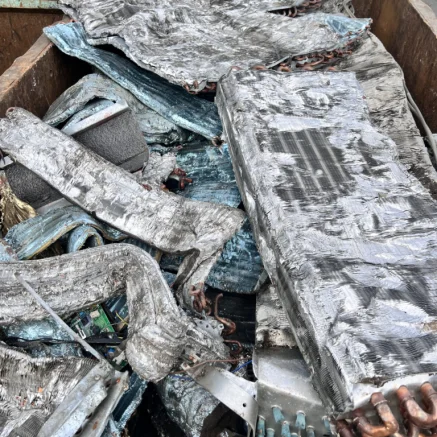
Size Reduction and Separation: Bulky items pass through shears or a shredder that breaks them into uniform fragments. Magnets recover the steel, while eddy current separators throw off aluminium and other non-ferrous pieces. Dense media baths and sensor sorting refine the streams further until each grade reaches an agreed level of purity.
Baling and Dispatch: Loose metal is pressed into dense bales or bundles that stack neatly for transport. Ferrous grades head to steel mills, non-ferrous grades move to smelters or refiners, and selected material is containerised for export. By this point every tonne carries a grade, a weight and a clear destination.
See also: Business Class Flights to Delhi: Booking Strategies for Smart Travelers
Turning Sorted Metal Into New Supply
Graded metal rarely sits idle for long. Steel, aluminium and copper can be melted and reformed almost endlessly with no loss of quality, which keeps recovered material in steady demand. Every well-sorted load reduces the pull on freshly mined ore and cuts the large amount of energy spent turning raw rock into finished, usable metal.
Better sorting always starts long before material reaches the scale. Separating metals at the source, keeping grades apart and stripping obvious contamination all lift the final return. Anyone handling regular volumes gains from learning local grade standards and talking with a licensed recycler well before a load leaves the site.