ByJohn A
How to Choose the Best Electric Juicer Machine for Your Home Kitchen?
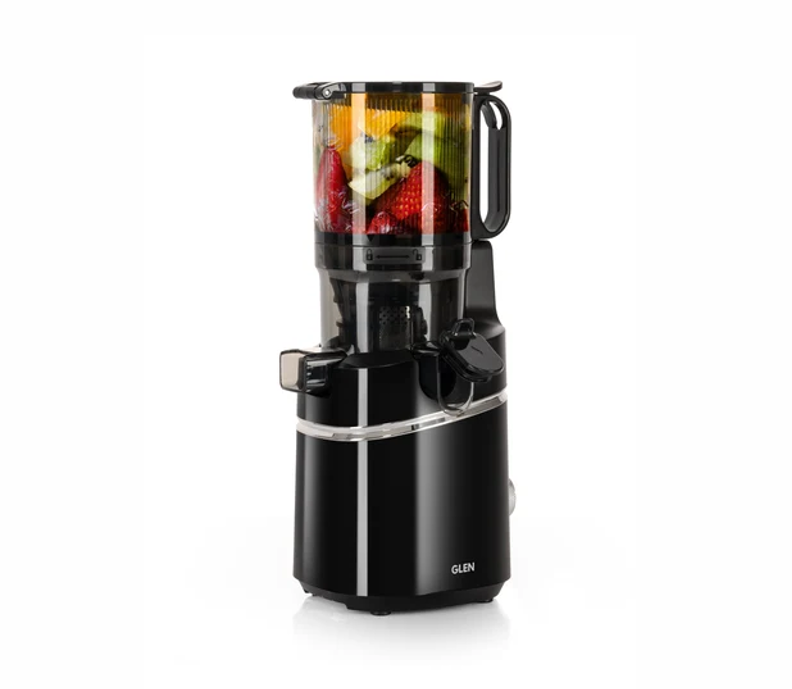
speed motor rotation, stainless steel mesh filters, and thermal overload protection determine how liquid extracts from produce. Motor torque and blade velocity change raw ingredients into fresh drinks within seconds, preserving vital plant nutrients. Choosing an electric juicer machine requires looking closely at power ratings, extraction efficiency, and daily maintenance needs. A good unit simplifies daily food prep while fitting smoothly into routine kitchen habits.
Primary Juicer Types and Practical Uses
Understanding how different extraction mechanisms work helps align your purchase with your daily routine.
Centrifugal Juicers
Centrifugal models use flat cutting blades spinning at high speeds against a fine mesh filter. Centrifugal force pushes the liquid through the mesh while separating the pulp into a container.
- Best for: Hard vegetables like carrots, beets, apples, and quick morning prep.
- Practical Idea: Keep chopped roots in your fridge for a fast morning drink before work.
Masticating (Cold Press) Juicers
Masticating juicers use an auger to crush and chew produce at slow speeds. This crushing action generates minimal heat, which preserves enzymes and delays oxidation.
- Best for: Leafy greens, wheatgrass, herbs, and batch preparation.
- Practical Idea: Make green juices on Sunday evening to keep in airtight glass bottles for two days.
Key Technical Features to Evaluate
Motor Wattage and Torque
Motor capacity dictates how easily the appliance handles dense produce. A motor rating between 400 and 800 watts works well for basic fruits and soft vegetables. Heavy root vegetables and fibrous greens perform best with 1000 watts or higher. Higher wattage prevents motor strain during long extraction sessions.
Feed Chute Dimensions
Chute size directly impacts preparation time. A wide feed chute, measuring around three inches, accepts whole apples and small oranges without prior cutting. Narrow chutes require fine chopping, which adds time to your preparation routine.
| Feature | Small Chute (1.5 to 2 inches) | Wide Chute (3+ inches) |
| Prep Time | Requires fine chopping | Minimal chopping needed |
| Produce Handling | Best for small berries & sliced items | Fits whole fruits & large vegetables |
| Pulp Extraction | Steady processing | Rapid processing |
Speed Modes and Controls
Dual-speed settings give flexibility. Low speeds process soft items like berries, tomatoes, and watermelon without over-processing. High speeds tackle hard items like carrots, ginger, and turnips. Variable speed control keeps juice yield high across different ingredients.
Pulp Management and Creative Zero-Waste Uses
Efficient pulp management directly impacts extraction quality. High-performing models push bone-dry pulp into dedicated external collectors. Dry pulp proves that your unit squeezes maximum liquid from every piece of produce, saving money on fresh groceries over time.
Instead of discarding residual pulp, you can repurpose fiber-rich leftovers into everyday recipes:
- Baking Mixes: Fold carrot, apple, or zucchini pulp into muffin batters, breakfast pancakes, or quick breads for moisture and natural fiber.
- Savory Soup Stocks: Collect vegetable fiber in your freezer until you have enough to simmer into rich, homemade broth bases.
- Dip Enhancers: Mix fresh beetroot or cucumber pulp into garlic yogurt to create quick spreads for snacks and breads.
Safety Mechanisms and Structural Durability
Daily kitchen operation requires safety features that protect both the user and the appliance motor. High-speed spinning blades and heavy-duty crushing augers carry risk if components shift during processing.
- Safety Locking Arms: Built-in safety arms prevent the motor from turning on unless every lid clamp clicks firmly into place. This prevents accidental splatters or component detachment during high-speed runs.
- Thermal Overload Cut-Off: Continuous extraction on tough produce like ginger or raw beets can heat up internal circuitry. Automatic thermal sensors shut power down if temperatures spike, preventing motor burnout and prolonging device lifespan.
- Non-Slip Suction Feet: Rubberized base pads grip tile and granite counters firmly. This prevents vibration-induced movement while the motor operates at full speed.
- BPA-Free Food Grade Plastics: Ensure internal chutes, juice collectors, and augers use food-grade materials that do not leach harmful compounds into acidic citrus juices.
Ease of Cleaning and Assembly
Cleaning difficulty determines whether your appliance gets daily use or gathers dust on a shelf.
- Look for models with removable parts that are safe for top-rack dishwashers.
- Stainless steel micro-mesh filters require a custom cleaning brush to scrub fine fibers out of the mesh holes.
- Quick-release latches reduce assembly and teardown time to under two minutes.
- Anti-drip spouts keep countertops clean during container switches.
See also: Interior Design in Mangalore: Planning a Home Around Light and Air
Balance Budget with Long-Term Utility
Finding the right balance between cost and functional features ensures a practical purchase. Entry-level models work well for light weekend use, while daily family use justifies heavy-duty construction.
When evaluating options, the juicer machine price usually reflects build quality, motor power, and warranty terms. Lower-cost units often feature plastic components suitable for occasional use. Premium options use stainless steel bodies, heavy-duty augers, and extended motor warranties that support long-term daily use. Comparing the juicer machine price alongside build materials ensures you select an appliance that withstands routine wear.
Investing in a quality electric juicer machine turns daily vegetable processing into a quick task, helping you create healthy drinks, soup bases, and natural food colorings right at home.
Conclusion
Selecting the ideal juice extraction system comes down to matching motor strength, chute size, and cleaning requirements with your routine. For home cooks seeking reliability and sleek design, Glen Appliances offers a strong lineup of kitchen appliances designed for effortless performance and long-lasting quality. Taking time to review your daily habits ensures your new appliance remains a useful asset on your kitchen counter for years to come.