ByJohn A
How Warehouse Automation Helps Solve Labor Shortages
Labor shortages continue to challenge warehouses and distribution centers across industries. Rising consumer expectations, increasing order volumes, and a shrinking labor pool have made it difficult for businesses to maintain efficiency while controlling costs. Many organizations are struggling to hire and retain workers, especially for repetitive and physically demanding tasks.
To address these challenges, companies are investing in advanced technologies that improve productivity and reduce dependence on manual labor. Warehouse automation provides a practical solution that helps businesses maintain consistent operations and meet customer demands. Industry leaders like MTLI Group are helping organizations implement automation strategies that enhance performance and support long-term growth.
Understanding the Impact of Labor Shortages on Warehouse Operations
Labor shortages affect nearly every aspect of warehouse management. Delays in hiring, employee turnover, and rising wages can significantly impact productivity and customer satisfaction. Businesses must find ways to maintain throughput without relying entirely on expanding their workforce.
Warehouse automation enables facilities to optimize operations, reduce repetitive tasks, and improve accuracy. By introducing automated systems, companies can create more efficient workflows and better allocate human resources to higher-value activities.
Rising Demand Is Outpacing Workforce Availability
E-commerce growth and changing customer expectations have increased pressure on warehouses to process orders faster. However, finding qualified workers has become increasingly difficult. Many businesses are facing staffing challenges that limit their ability to keep up with growing demand and maintain service levels.
Employee Turnover Creates Operational Challenges
High employee turnover disrupts productivity and increases training costs. Constant recruitment efforts consume valuable time and resources. Automated systems help reduce dependence on large workforces, allowing businesses to maintain operational stability even when staffing levels fluctuate throughout the year.
How Warehouse Automation Addresses Workforce Gaps
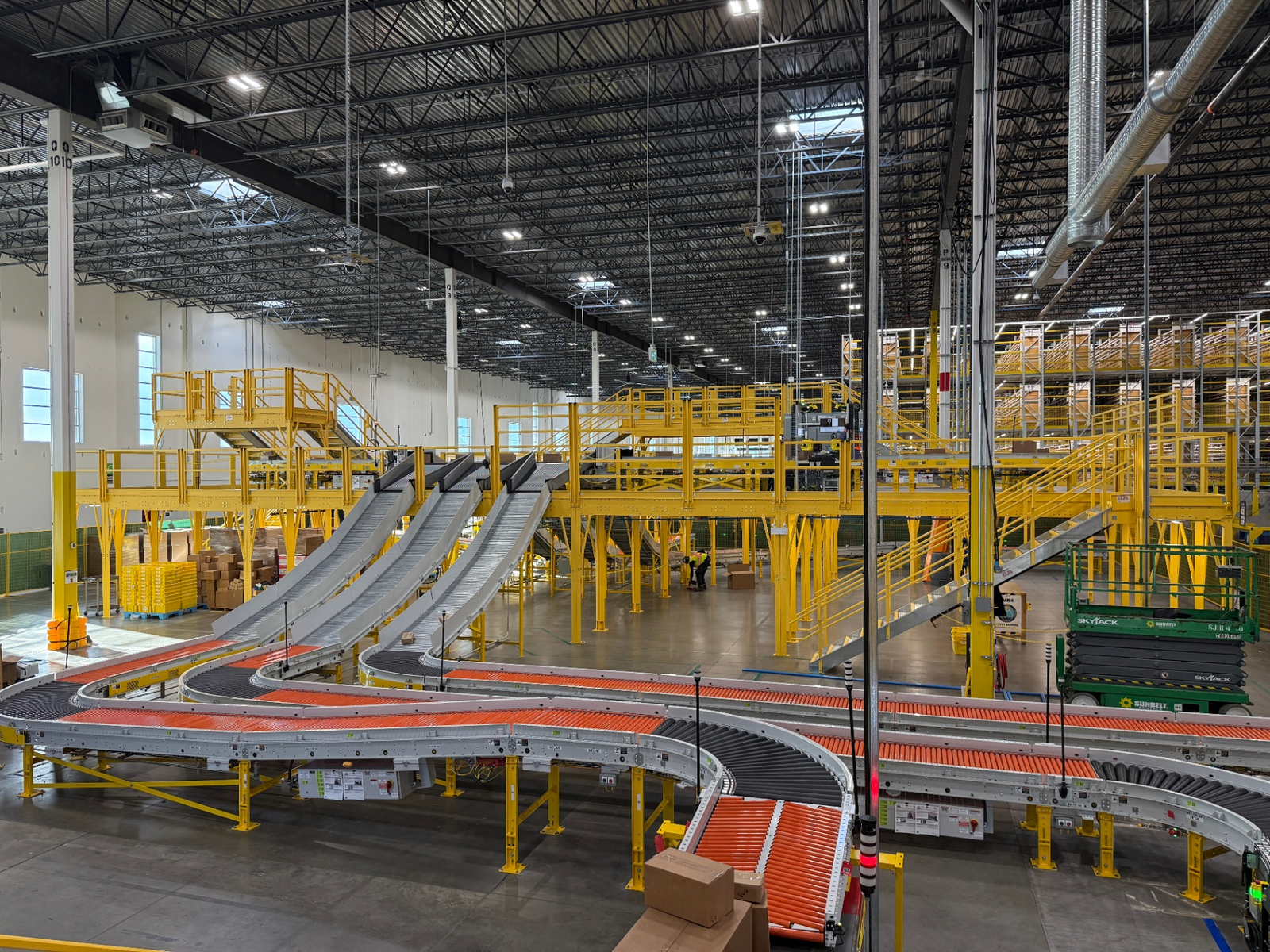
Automation technologies allow warehouses to perform repetitive tasks more efficiently while reducing the strain on employees. These systems improve speed, consistency, and overall productivity, helping businesses overcome labor shortages without sacrificing performance.
Partnering with an experienced Warehouse Automation Company ensures that organizations implement solutions that align with their operational requirements and growth objectives.
Automated Systems Reduce Manual Work
Tasks such as picking, sorting, transporting, and inventory management often require significant labor. Automated systems streamline these processes, minimizing the need for manual intervention. Employees can focus on supervision, quality control, and strategic activities that contribute greater value to the organization.
Increased Efficiency Supports Business Growth
Warehouse automation allows facilities to process more orders without significantly increasing headcount. Improved workflows reduce bottlenecks and accelerate fulfillment times. This increased efficiency helps businesses expand operations and maintain customer satisfaction despite labor shortages and workforce limitations.
See also: How Cryptocurrency Is Creating New Business Opportunities
The Role of Warehouse Robotics Solutions
Robotics technology has transformed warehouse operations by improving speed, accuracy, and consistency. Warehouse Robotics Solutions help businesses automate repetitive tasks while increasing throughput and reducing human error.
Companies implementing robotic systems often experience higher productivity and lower operating costs, making automation an attractive long-term investment.
Autonomous Mobile Robots Enhance Material Movement
Autonomous mobile robots transport products throughout the warehouse with minimal human involvement. These robots improve material flow and reduce employee travel time. By automating transportation tasks, businesses can maximize productivity while minimizing physical strain on workers and improving workplace safety.
Robotic Picking Systems Improve Accuracy
Advanced robotic picking systems use sensors and artificial intelligence to identify and retrieve products accurately. These technologies minimize picking errors and improve order fulfillment rates. Accurate operations lead to better customer experiences and lower costs associated with returns and corrections.
Improving Employee Satisfaction Through Automation
Contrary to common misconceptions, automation does not replace workers entirely. Instead, it allows employees to focus on less repetitive and more rewarding tasks. Reducing physically demanding activities creates safer and more comfortable work environments.
Organizations that embrace automation often experience improved employee retention and greater workforce satisfaction.
Safer Work Environments Reduce Injuries
Manual lifting, repetitive motions, and long walking distances contribute to workplace injuries. Automated systems reduce these risks by handling strenuous tasks. Employees can focus on monitoring operations and managing exceptions, creating a safer and more productive environment.
Employees Can Focus on Higher-Value Tasks
Automation shifts workers away from repetitive labor and toward responsibilities that require problem-solving and decision-making. Employees gain opportunities to develop new skills and contribute to operational improvements, increasing job satisfaction and reducing turnover rates.

Scalability Through Intelligent Automation
As businesses grow, labor shortages can become even more challenging. Automation provides the flexibility needed to scale operations efficiently without continuously expanding the workforce.
Working with a trusted Warehouse Automation Company allows businesses to implement systems that support both current demands and future growth.
Flexible Systems Adapt to Changing Needs
Modern automation solutions can be customized to fit different facility sizes and operational requirements. Businesses can gradually expand automation capabilities as order volumes increase. This flexibility allows companies to remain competitive while controlling labor-related expenses and maintaining efficiency.
Data and Analytics Improve Performance
Automated systems provide valuable insights into inventory movement, equipment utilization, and productivity. Real-time data enables managers to identify inefficiencies and make informed decisions. Continuous performance monitoring helps optimize operations and improve overall warehouse effectiveness.
Why Choosing the Right Automation Partner Matters
Successful automation projects require careful planning and industry expertise. Selecting an experienced partner ensures that systems are designed to meet operational goals while delivering long-term value.
MTLI Group provides comprehensive automation solutions that help businesses improve productivity and overcome workforce challenges. Their expertise enables organizations to implement scalable technologies that enhance efficiency and support sustainable growth.
Customized Solutions Deliver Better Results
Every warehouse has unique requirements. A reliable Warehouse Automation Company evaluates workflows, inventory profiles, and growth objectives before recommending solutions. Customized systems maximize performance and ensure that automation investments deliver measurable returns over time.
Long-Term Support Maximizes Value
Automation systems require ongoing maintenance and optimization to maintain peak performance. Partnering with experienced professionals provides access to technical support and continuous improvements. Long-term collaboration ensures that businesses can adapt to changing market demands and operational requirements.
Conclusion
Labor shortages are likely to remain a significant challenge for warehouses and distribution centers. Businesses that rely solely on expanding their workforce may struggle to keep pace with increasing customer expectations and operational demands.
Warehouse automation and Warehouse Robotics Solutions offer practical ways to improve productivity, reduce labor dependence, and create safer working environments. By implementing intelligent systems, companies can maintain consistent performance while supporting future growth.
With extensive experience in warehouse technologies and integrated solutions, MTLI Group helps organizations overcome labor challenges and build efficient operations designed for long-term success. Partnering with an experienced Warehouse Automation Company enables businesses to remain competitive and thrive in an increasingly demanding marketplace.