ByJohn A
Selective Teeth Whitening: Can One Dental Arch Be Treated Separately?
You noticed it in photos first. Your top teeth look darker than your bottom teeth, or maybe the lower arch has picked up more staining near the front. It can feel oddly distracting, especially when the rest of your smile looks healthy. You are not imagining it, and you are not being vain for caring. Uneven tooth color stands out because your eyes go straight to contrast, and Knoxville dental care professionals understand how noticeable those differences can be.
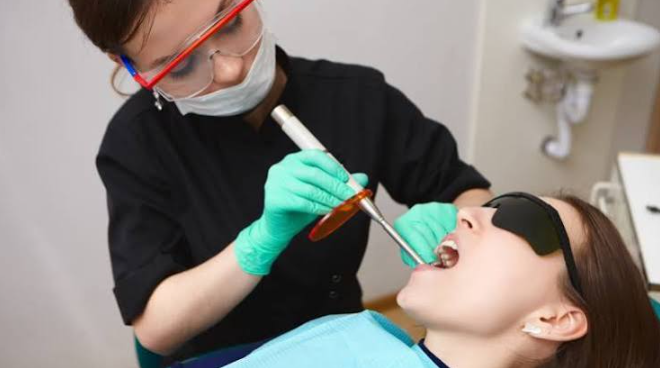
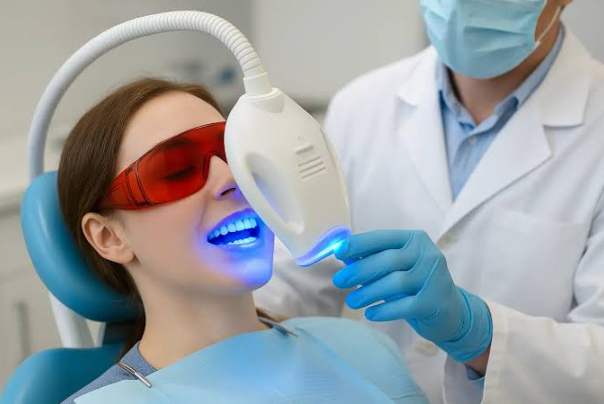
The short answer is yes, one dental arch can often be whitened separately. A dentist may treat only the upper or lower teeth when the shade difference is real and the goal is balance, not just making everything as white as possible. That said, single arch teeth whitening is not a one size fits all fix. The right choice depends on why the mismatch happened, how noticeable it is when you smile, and whether crowns, fillings, sensitivity, or gum recession are part of the picture.
Selective teeth whitening works best when the color mismatch has a clear cause
Sometimes one arch simply stains faster. Coffee, tea, red wine, tobacco, and even mouth breathing can affect teeth differently over time. In other cases, the mismatch starts after earlier dental work, natural enamel wear, or a whitening treatment that was done years ago on only one area. The American Dental Association explains that whitening can improve many surface and deeper stains, but results vary based on the cause of discoloration and the type of tooth involved. You can review that guidance on tooth whitening from the ADA.
The reason this matters is simple. If only one arch is darker because of external staining, selective treatment may give you a very natural result. If the difference comes from restorations, internal discoloration, or uneven enamel thickness, whitening only one arch may leave you frustrated. Crowns, veneers, and tooth colored fillings do not whiten the way natural enamel does. You can end up with brighter natural teeth sitting next to restorations that now look dull or mismatched.
You may also be thinking about cost, time, and comfort. That is fair. Treating one arch can reduce product use and chair time, but it does not automatically mean the process is simpler. A dentist still has to match shades carefully, check for cavities or exposed roots, and talk with you about sensitivity. MedlinePlus notes that tooth whitening is generally safe when done correctly, though temporary tooth sensitivity and gum irritation can happen. Their overview of tooth whitening basics gives a helpful medical summary.
Whitening only the top or bottom teeth can look natural when your smile line is considered
Most people show more upper teeth than lower teeth when they talk and smile. That changes the treatment plan. If your upper arch is darker and shows prominently, whitening only the top teeth may be enough to improve the whole smile. If the lower front teeth are the issue but barely visible, some people decide treatment is not worth it. A good cosmetic plan is not just about shade charts. It is about what actually shows in daily life.
This is where people get tripped up with at home products. You might buy whitening strips, use them only on the darker arch, and still feel off because the final color is too bright, too patchy, or too different from the untreated teeth. Professional whitening offers more control. Custom trays, in office monitoring, and a clear stop point help avoid that overdone look. The University of Minnesota School of Dentistry outlines how bleaching materials, exposure time, and case selection affect outcomes in its tooth bleaching program guide.
See also: How Can Cerebral Palsy Affect Everyday Life and Independence?
Professional whitening and DIY products differ in control, safety, and shade matching
| Option | Best Use | Main Benefit | Main Limitation |
|---|---|---|---|
| Professional single arch whitening | One arch is clearly darker and you want a matched result | Shade control, exam first, better planning around fillings and crowns | Higher cost than store bought products |
| Custom take home trays from a dentist | Mild to moderate discoloration with a need for gradual change | More even coverage and easier adjustment for sensitivity | Requires consistent use over days or weeks |
| Over the counter strips or gels | Minor surface staining and lower budget | Easy access and lower upfront cost | Less precise fit, more risk of uneven whitening or gum irritation |
| No whitening, only polishing or cleaning | Staining is light and mostly external | Simple first step that may improve color enough | Will not change the natural underlying tooth shade |
If you are weighing whitening one dental arch against full smile whitening, think in terms of harmony, not maximum brightness. The most believable cosmetic result often comes from small correction, not aggressive bleaching. A general and cosmetic dentist can help you decide whether a selective approach will blend well or whether both arches should be treated together at lower intensity.
Three steps help you decide if selective whitening is the right move
1. Check what is actually discolored. Look beyond the quick mirror test. Is the whole arch darker, or only a few teeth? Do you have crowns, bonding, or old fillings in the area? If the mismatch involves dental work, whitening alone may not solve it.
2. Start with a cleaning and shade evaluation. Surface stain can make one arch look worse than it is. A routine cleaning may remove enough buildup to change the plan. After that, a shade comparison in natural light gives a more honest picture of whether selective treatment makes sense.
3. Choose the method based on control, not speed. If your goal is balance, controlled whitening usually beats the strongest product on the shelf. Ask about sensitivity history, gum recession, and how visible the lower teeth are when you smile. Those details shape the best cosmetic result.
Selective teeth whitening can be a smart cosmetic choice when the plan is tailored
You do not need to whiten every tooth just because one area bothers you. When one arch is darker, targeted treatment can be a thoughtful and efficient fix. The key is knowing why the color difference happened and whether natural teeth, restorations, and smile visibility will allow a clean match. If the goal is a smile that looks even and believable, careful planning matters more than chasing the brightest shade.
If the color difference is bothering you every time you catch your reflection, schedule a consultation with a general and cosmetic dentist and ask whether selective whitening or full arch whitening will give you the better match.